


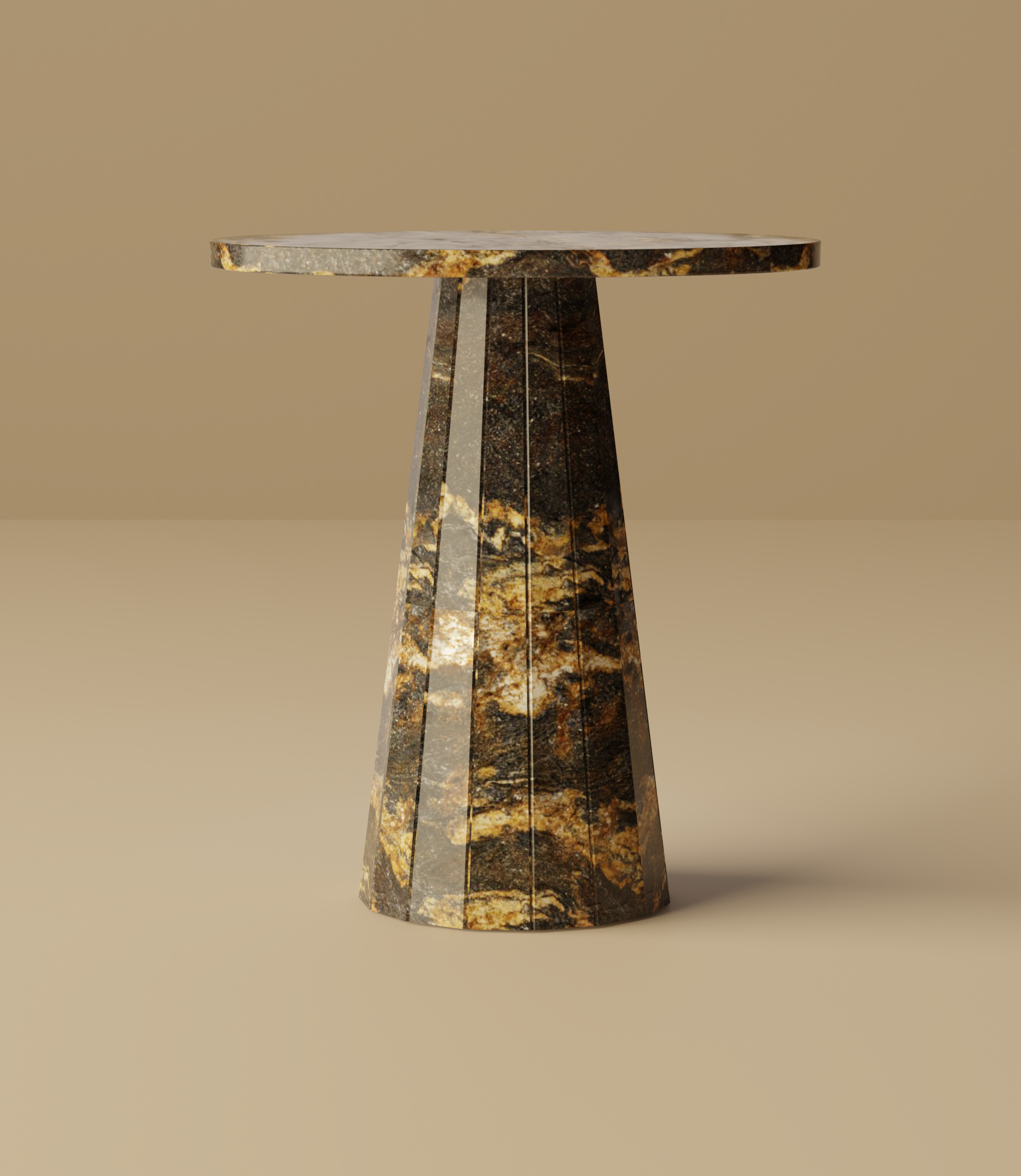
How to remove stains from marble depends on what caused the mark, how long it has been there, and whether the stone is stained or etched. Travertine needs the same careful approach, with extra attention to its natural pores and texture.
Marble and travertine are both natural stones. They can be cleaned and maintained well, but they should not be treated with harsh household products. The safest first step is always gentle cleaning, then identifying the mark before doing anything more aggressive.
For everyday care, read our marble table care guide and how to clean a travertine table.
The Short Answer
Start by blotting the spill, not rubbing it. Clean the area with warm water and a pH-neutral cleaner suitable for natural stone. Dry the surface with a soft cloth.
If the mark remains, work out whether it is a stain or an etch. A stain changes the colour of the stone. An etch is a dull patch caused by acid reacting with the surface.
Do not use vinegar, lemon, bleach, abrasive pads, limescale remover or harsh kitchen sprays. These can make the damage worse.
For deeper stains, a stone-safe poultice may help. For serious staining, etching or unknown marks, ask a natural stone specialist before experimenting.
Stain or Etch: Know the Difference First
Before trying to remove a mark, decide what kind of mark it is.
A stain usually looks darker or coloured. It happens when something soaks into the stone. Oil, wine, coffee, tea, sauces, cosmetics and candle dye can all stain marble or travertine if left on the surface.
An etch usually looks dull, pale or flat. It happens when acid reacts with stone, especially marble. Lemon juice, vinegar, wine, fruit juice and some cleaning products can cause etching.
This difference matters because a stain and an etch need different treatment. Cleaning will not remove true etching because the surface itself has been affected.
Step 1: Blot the Spill
If the spill is fresh, blot it immediately with a soft cloth or kitchen paper.
Do not rub. Rubbing can spread the liquid and push it into the stone, especially on travertine where pores and surface texture may hold moisture.
Work from the outside of the spill towards the centre. This helps stop the mark spreading.
Once the liquid has been removed, clean the area gently with warm water and a pH-neutral natural stone cleaner.
Step 2: Clean Gently
Use a soft cloth, warm water and a cleaner made for natural stone. A pH-neutral cleaner is important because marble and travertine can be damaged by acidic or harsh products.
Wipe the surface gently. Do not scrub with rough pads or brushes.
After cleaning, dry the surface with a separate soft cloth. Do not leave water sitting on the stone, especially on travertine or around edges, joins and natural pores.
This simple step may be enough for light marks or recent spills.
Step 3: Identify the Cause
If the mark remains, try to identify what caused it.
Common causes include:
- Oil or grease
- Wine
- Coffee or tea
- Citrus
- Vinegar
- Tomato-based sauces
- Candle wax or dye
- Cosmetics
- Perfume
- Plant pots
- Metal objects
- Ink
- Water trapped under a glass, tray or vase
The cause matters because oil, acid, dye and rust do not behave in the same way.
A dark oily mark needs a different approach from a pale acid etch. If you are not sure what caused the mark, stay cautious.
Step 4: Do Not Use Acidic Cleaners
Do not use vinegar to clean marble or travertine. Do not use lemon juice, bleach, limescale remover, bathroom cleaner, abrasive cream cleaner or strong degreaser.
These products may seem like general cleaning solutions, but they are not suitable for natural stone furniture.
Acidic products can etch marble and may damage travertine. Abrasive products can dull or scratch the surface. Strong cleaners can affect the finish or weaken the protection of the seal.
If a mark is already visible, the wrong cleaner can make it worse.
Step 5: Try a Stone-Safe Poultice for Deeper Stains
For a deeper stain, a poultice may help draw the staining material out of the stone.
A poultice is an absorbent paste applied to the stained area. It is covered and left for a period of time, then removed once dry. The idea is to lift the stain from within the stone rather than scrub the surface.
Only use a poultice product suitable for marble or travertine. Follow the product instructions carefully, and test in a discreet area first where possible.
Poultices can be useful for oil, wine, coffee and some organic stains, but results vary. Old or deep stains may need repeated treatment or professional help.
Oil and Grease Stains
Oil can leave a dark mark on marble or travertine if it soaks into the stone.
Blot fresh oil immediately. Clean gently with a pH-neutral stone cleaner. If the mark remains, a stone-safe poultice designed for oil-based stains may help.
Do not use strong kitchen degreasers unless the product is clearly suitable for natural stone. Many household degreasers are too harsh for marble and travertine furniture.
On dining tables, use placemats, trays and serving boards under oily foods.
Wine, Coffee and Tea Stains
Wine, coffee and tea can stain natural stone if left sitting on the surface.
Blot the spill quickly, then clean with warm water and a pH-neutral stone cleaner. Dry the surface afterwards.
If a coloured mark remains, a stone-safe poultice may help. Do not use bleach or vinegar to try to lift the colour. These can damage the stone or finish.
For tables such as the Palatino Marble & Travertine Dining Table, simple habits matter. Use coasters and placemats, and clean spills before they have time to settle.
View our marble furniture collection for natural stone pieces in this material.
Citrus, Vinegar and Acid Marks
Acidic spills are different because they may etch the stone rather than stain it.
Lemon, vinegar, wine, fruit juice and some sauces can react with marble, leaving a dull or pale patch. Travertine can also mark from acidic substances.
If the area looks dull rather than coloured, it may be etching. Cleaning will not fully remove etching because the surface has been changed.
Light etching may be improved with specialist stone products, depending on the finish. Deeper etching usually needs professional refinishing.
Do not keep scrubbing. That can spread the dull area or damage the finish further.
Rust, Metal Marks and Plant Pot Stains
Rust marks can happen when metal objects, plant pots or wet decorative pieces sit on stone for too long.
These stains can be difficult to remove, especially if the mark has entered the stone. A specialist stone rust remover may be needed, but it must be suitable for marble or travertine.
Do not use general rust remover unless it is clearly safe for natural stone. Many rust removers are acidic and can damage marble or travertine.
Use trays, saucers and felt pads under objects that may trap moisture.
Candle Wax, Dye and Cosmetics
Candles, perfume, makeup and cosmetics can all mark stone.
Wax itself may sit on the surface, but coloured dye or oil can enter the stone. Perfume and cosmetics may contain oils, alcohol or pigments that can leave marks.
Remove surface wax carefully once hardened, without scraping the stone aggressively. Then clean gently with a stone-safe cleaner.
If dye or oil remains, a suitable poultice may help. For polished marble or delicate finishes, it is safer to ask a specialist before trying stronger treatment.
Travertine Stains and Pores
Travertine has natural pores. Some are filled. Some may remain visible depending on the finish.
These pores are part of the stone’s character, but they can also hold liquid, dust and staining material if spills are left too long.
A travertine table should usually be sealed, especially if it is used for dining or drinks. Sealing helps reduce absorption, but it does not make the surface stain-proof.
The Aventino Round Travertine Coffee Table shows why travertine works so well in living rooms: it has warmth, texture and natural variation. It should still be protected from drinks, oils and acidic spills.
Explore our travertine furniture, including travertine coffee tables and travertine dining tables.
Marble Stains and Etching
Marble is more sensitive to acid than many people expect.
A marble table can stain from oil, wine, coffee or coloured liquids. It can also etch from acidic substances. The two issues may happen at the same time, which can make a mark look worse.
This is why marble care is about prevention as much as cleaning. Use coasters, wipe spills promptly and avoid acidic cleaners.
For a full care routine, read our marble table care guide.
When to Call a Stone Specialist
Call a natural stone specialist if:
- The mark is large
- The stain is old
- The surface is etched
- The stone is polished
- The table is valuable or new
- You do not know what caused the mark
- A previous cleaning attempt made it worse
- The stain may be rust, ink or dye
- The stone has a special finish
Specialists can assess whether the surface needs poulticing, polishing, honing, resealing or another treatment.
It is better to ask before causing more damage.
How to Prevent Future Stains
The best stain removal is prevention.
Use coasters for drinks, especially wine, coffee and anything acidic. Use placemats for meals. Use trays under candles, vases, bottles, cosmetics and decorative objects.
Wipe spills as soon as they happen. Do not leave wet glasses, plant pots or metal objects sitting directly on the stone.
Clean with a pH-neutral natural stone cleaner and avoid harsh household products.
Make sure the stone is sealed where appropriate, and check the surface over time. If liquid begins to darken the stone quickly, resealing may be needed.
What Not to Do
Do not panic and reach for the strongest cleaner in the cupboard.
Avoid:
- Vinegar
- Lemon juice
- Bleach
- Limescale remover
- Bathroom cleaner
- Abrasive cream cleaner
- Wire wool
- Rough scouring pads
- Harsh degreasers
- General rust remover
- Pressure washing
- Excessive scrubbing
Natural stone needs the right treatment. More force does not mean better cleaning.
Removing Stains from Marble and Travertine FAQs
How do you remove stains from marble?
Start by cleaning gently with warm water and a pH-neutral natural stone cleaner. If the stain remains, identify the cause. A stone-safe poultice may help with deeper stains, but etching needs a different treatment.
How do you remove stains from travertine?
Blot the spill, clean with a pH-neutral stone cleaner and dry the surface. For deeper stains, use a poultice suitable for travertine. Avoid acidic cleaners and harsh scrubbing.
Can vinegar remove stains from marble?
No. Vinegar should not be used on marble. It is acidic and can etch the surface, leaving dull marks.
Can vinegar clean travertine?
No. Vinegar is not suitable for travertine. It can damage or dull the stone and may make marks worse.
What is the difference between a stain and an etch?
A stain changes the colour of the stone because something has soaked in. An etch is a dull or pale mark caused by acid reacting with the surface.
Can marble etching be cleaned off?
Not usually. Etching is surface damage, not dirt. Light etching may be improved with specialist products, but deeper etching often needs professional refinishing.
Does sealing stop marble and travertine from staining?
Sealing helps reduce staining by slowing absorption, but it does not make stone stain-proof. Spills should still be wiped promptly.
Should I use a poultice on marble?
A poultice can help with some stains, but it should be suitable for marble and used carefully. Test first where possible, and ask a specialist if the table is valuable or the mark is severe.


