


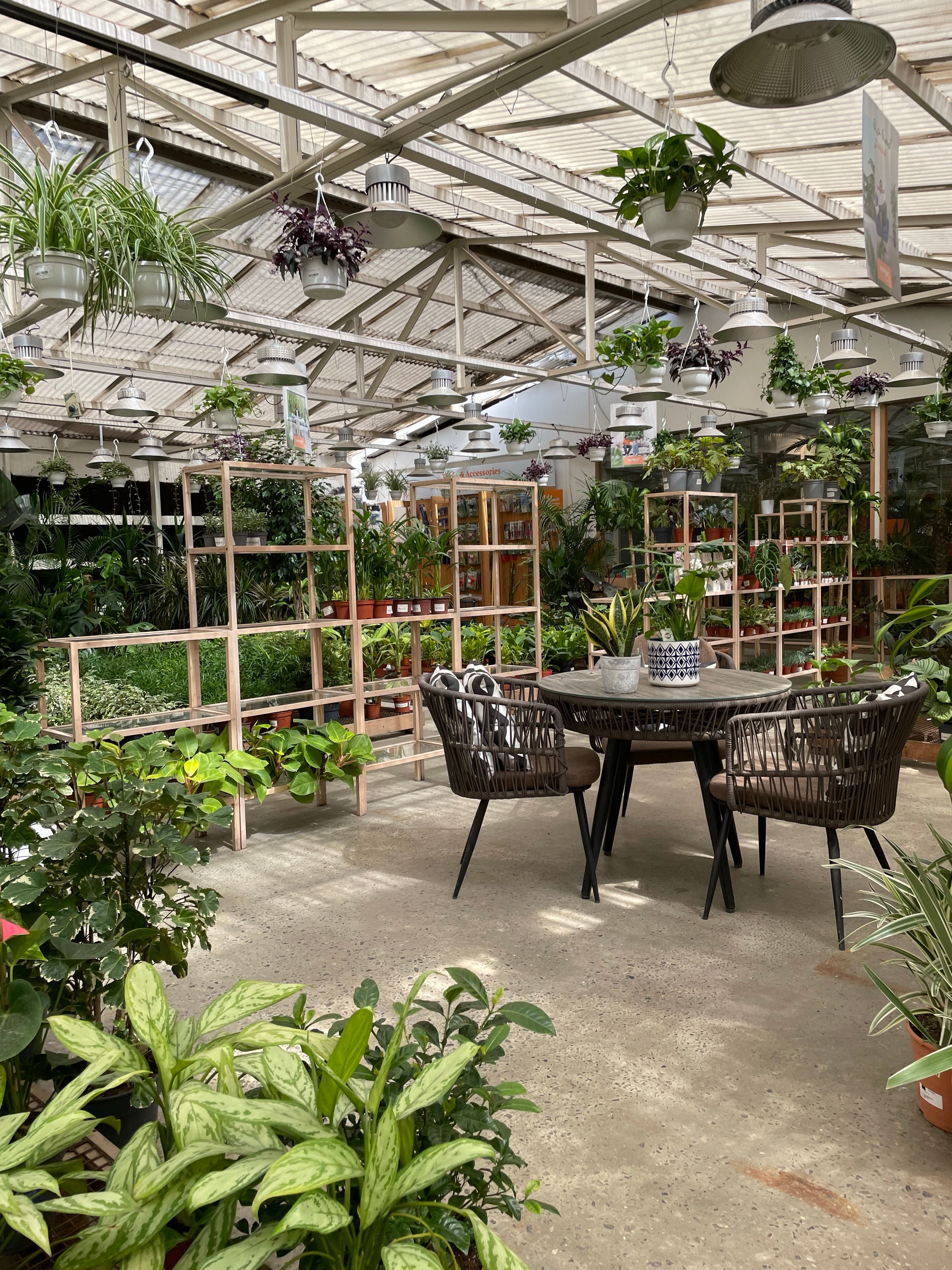
A granite garden table or outdoor stone table can work beautifully in the right setting, but not every stone is suited to life outside. Rain, frost, sun, dirt, leaves, salt, pollution and temperature changes all affect natural stone over time.
Stone is strong, but outdoor use is different from indoor furniture. A dining table in a warm room has a very different life from a table left outside through winter. The right material, finish, drainage, sealing and placement all matter.
The Short Answer
Granite is usually the safest natural stone choice for outdoor tables because it is dense, hard and generally less absorbent than many softer stones.
Travertine can be used outdoors in some settings, but it needs more care and careful selection. Its pores, filling and finish matter, especially where frost is likely.
Marble is usually more delicate outside. It can weather, etch, dull and mark more easily, especially in exposed locations.
For long-term outdoor use, choose the stone carefully, avoid standing water, keep the surface clean and consider whether the table will be covered, sheltered or fully exposed.
Explore our granite furniture and stone side tables to see how natural stone works in compact furniture pieces.
Why Outdoor Stone Tables Need More Thought
Outdoor furniture has to deal with more than everyday use.
A table outside may face heavy rain, freezing temperatures, strong sun, falling leaves, bird mess, pollen, garden debris, plant pots, damp air and changing humidity. In coastal areas, salt can add another problem.
The main risks are:
- Water entering the stone
- Freeze-thaw damage
- Staining from leaves, soil and food
- Surface dulling from weather
- Movement in filled or repaired areas
- Harsh cleaning products
- Chips from hard impact
- Uneven ground or poor support
A stone table can survive outdoors, but it needs the right material and the right conditions.
Granite Garden Tables
Granite is often the best natural stone for outdoor tables. It is dense, hard and generally more resistant to water absorption than softer stones.
This makes granite a sensible choice for garden tables, terrace tables, balcony pieces and outdoor side tables, provided the specific stone, finish and construction are suitable.
Granite also has useful visual weight outdoors. It can sit well against planting, timber decking, brick, concrete, render, gravel and outdoor upholstery. Darker granite can feel architectural. Paler granite can give substance without making the space feel too heavy.
The Saluzzo Oval Granite Side Table shows how granite can work at a smaller scale. Its oval form softens the stone, while the material gives the piece enough weight to feel grounded.
View our granite furniture collection for pieces in this material.
Can Travertine Tables Go Outside?
Travertine has a long history in architecture, but outdoor furniture needs more care than indoor use.
Travertine is a type of limestone with visible pores and natural cavities. Some travertine is filled to create a smoother surface. Some is left more open. These differences matter outdoors.
In mild, sheltered settings, travertine can work well. On a covered terrace, garden room threshold or sheltered courtyard, it may have enough protection from standing water and frost.
In exposed areas, travertine needs more caution. Water can sit in pores or surface variation. If that water freezes, it may expand and put stress on the stone or filled areas.
This does not mean travertine should never be used outside. It means the specific stone, finish, seal, location and level of exposure should all be discussed first.
Can Marble Tables Go Outside?
Marble can be used outdoors in some architectural settings, but it is usually not the easiest stone for outdoor tables.
It is more sensitive to acid, weathering and surface dulling than granite. Rain, pollution, leaves, bird mess, wine, citrus and garden debris can all affect the surface. A polished marble finish may lose its shine more quickly outside.
Marble may still suit very sheltered outdoor spaces where the table is protected, covered and cared for. But for fully exposed garden furniture, granite is usually a more practical choice.
If marble is used outside, expect it to change over time. That weathering may be acceptable in some settings, but it should be understood before the table is chosen.
Frost and Freeze-Thaw Damage
Frost is one of the biggest outdoor risks for stone furniture.
Freeze-thaw damage happens when water enters the stone, a joint, a natural fissure or a filled area, then freezes and expands. Repeated freezing and thawing can put pressure on the material.
Dense, low-absorption stones are usually better suited to this than more porous stones. This is why granite is often a safer outdoor choice than travertine or marble.
Good design helps. The table should not trap water. The surface should be able to drain. It should not sit permanently in a puddle. It should not be placed where water collects around the base.
A stone table left outside all winter needs more consideration than a table used in a sheltered garden room or covered terrace.
Rain and Standing Water
Rain itself is not always the problem. Standing water is.
If water sits on a surface for long periods, it has more time to enter the stone, stain the surface or affect filled areas. This is especially important with porous stones and textured finishes.
Outdoor tables should be positioned so water can move away. A slight fall, suitable finish and good placement can all help.
Avoid leaving plant pots, trays, metal objects or damp covers sitting directly on stone for long periods. They can trap moisture and leave marks.
Sun, Heat and UV
Sun can change how stone looks and how comfortable it is to use.
Dark granite can become hot in strong sun. Lighter stone may stay cooler but show dirt, pollen or leaf staining more easily. Some filled areas, sealers or resins may also react differently under long-term UV exposure.
Direct sun can also make surface marks more visible. A table that looks quiet in soft light may show more detail, glare or variation outside.
For outdoor dining or seating areas, think about shade. A parasol, pergola, covered terrace or nearby planting can make the table easier to live with and reduce harsh exposure.
Salt, Coast and Pool Areas
Coastal gardens and pool areas need extra care.
Salt can be hard on materials. It can sit on the surface, enter small openings and accelerate weathering. Chlorinated water, pool chemicals and sea air can also affect finishes, metal supports and surrounding materials.
In these settings, the stone, finish, fixings and maintenance plan need careful consideration. Granite may still be suitable, but the specific slab and construction should be chosen with the setting in mind.
Avoid assuming that any natural stone table will cope with salt or poolside use without change.
Sealing Outdoor Stone Tables
Sealing can help protect outdoor stone from staining and water absorption, but it is not a complete shield.
A sealer slows down absorption. It does not make stone waterproof, frost-proof or immune to damage. Outdoor conditions are harder than indoor use, so the surface may need more regular checks.
The correct seal depends on the stone, finish and setting. Granite, travertine and marble do not all need the same approach.
A sealed outdoor stone table should still be cleaned properly, dried where needed and protected from trapped moisture.
How to Clean an Outdoor Stone Table
Clean outdoor stone gently.
Use a soft cloth or sponge, warm water and a pH-neutral cleaner suitable for natural stone. Rinse away residue and dry the surface where practical.
Avoid:
- Vinegar
- Lemon
- Bleach
- Limescale remover
- Harsh patio cleaners
- Pressure washing close to the surface
- Abrasive pads
- Wire brushes
- Strong acidic or alkaline products
Remove leaves, soil, food and bird mess promptly. Organic matter can stain if left to sit, especially when wet.
For garden dining, use placemats, coasters and trays as you would indoors.
Covered Terrace vs Fully Exposed Garden
There is a big difference between a covered terrace and a fully exposed garden.
A covered terrace gives the table protection from heavy rain, direct frost and constant standing water. This makes natural stone easier to manage.
A fully exposed garden gives the stone a harder life. The table may be soaked, frozen, heated, stained and dried repeatedly. In that setting, material choice becomes more important.
Granite is usually the strongest starting point for exposed outdoor use. Travertine and marble may be better kept to sheltered or carefully managed settings.
A side table, occasional table or compact piece may also be easier to protect and move than a large outdoor dining table.
View our stone side tables for smaller stone pieces that show how material weight can work at compact scale.
Outdoor Stone Tables and Weight
Stone furniture is heavy. Outdoors, that can be an advantage and a challenge.
A heavy stone table feels stable and settled. It will not move easily in wind. It can hold its place visually against planting, paving and architecture.
The challenge is placement. The ground needs to be level and suitable. Decking, tiles, paving or gravel should be able to support the weight. Large pieces need proper access and handling.
Once a stone table is placed outside, it should not be dragged or moved casually. Moving it incorrectly can chip edges, damage the base or mark the surrounding surface.
Should You Cover a Stone Table?
A breathable cover can help protect an outdoor stone table from leaves, bird mess and heavy weather, but it must be used carefully.
A cover that traps moisture can create problems. Damp trapped against the surface may lead to staining, marking or uneven weathering.
If a table is covered, make sure it is clean and dry first. Avoid leaving plastic directly against the stone for long periods, especially in changing temperatures.
In winter, moving smaller pieces to a sheltered area may be better than leaving them fully exposed.
When Granite Is the Right Choice
Choose granite if you want the most practical natural stone direction for outdoor furniture.
It suits terraces, garden rooms, outdoor seating areas and compact garden tables where the stone needs to handle more demanding conditions.
Granite is especially strong for side tables and occasional tables because the material gives smaller pieces real presence. It also pairs well with outdoor materials such as timber, brick, concrete, steel, gravel and planting.
A granite garden table still needs care, but it is usually a better starting point than softer, more porous stones.
When Travertine or Marble May Work
Travertine or marble may work outside when the setting is sheltered, the stone is carefully chosen and the table is properly maintained.
A covered courtyard, garden room, orangery threshold or protected terrace is more suitable than a fully exposed lawn or patio.
These stones are usually better when the owner accepts natural weathering and is prepared to care for the piece. They are not the best choice for someone who wants to leave a table outside all year with no thought.
The more exposed the location, the more cautious the stone choice should be.
Questions to Ask Before Buying an Outdoor Stone Table
Before choosing an outdoor stone table, ask:
- Will it be fully exposed or sheltered?
- Will it stay outside all winter?
- Is the area prone to frost?
- Will water sit on the surface?
- Is the ground level and strong enough?
- Is the setting coastal or near a pool?
- Will the table be used for dining?
- Can it be covered or moved under shelter?
- What care will be realistic?
The right answer depends on the site as much as the stone.
Outdoor Stone Table FAQs
Can stone tables live outdoors?
Yes, some stone tables can live outdoors, but the stone, finish, construction and setting all matter. Granite is usually the safest natural stone choice. Travertine and marble need more caution, especially in exposed or frosty locations.
Is granite good for garden tables?
Yes. Granite is generally a strong choice for garden tables because it is dense, hard and often less absorbent than softer stones. It should still be properly finished, sealed where suitable and cared for correctly.
Can travertine tables be used outside?
Travertine can be used outside in some settings, especially sheltered areas, but it needs careful stone selection, suitable finishing and proper maintenance. Freeze-thaw exposure and standing water are key concerns.
Can marble tables go outside?
Marble can be used outside in some protected settings, but it is usually more delicate than granite. It can weather, dull, etch and mark more easily, especially in exposed locations.
What happens to stone in frost?
Water can enter pores, fissures or filled areas. If that water freezes, it expands. Repeated freezing and thawing can put stress on the stone and may cause damage over time.
Should outdoor stone tables be sealed?
Many outdoor stone tables should be sealed, but the correct seal depends on the stone, finish and setting. Sealing helps reduce absorption and staining, but it does not make stone completely waterproof or frost-proof.
How do you clean an outdoor stone table?
Use warm water, a soft cloth and a pH-neutral cleaner suitable for natural stone. Avoid vinegar, lemon, bleach, harsh patio cleaners, pressure washing and abrasive pads.
Can stone tables stay outside in winter?
Some can, but it depends on the stone and exposure. Granite is generally more suitable than travertine or marble. In harsh weather, sheltered placement or seasonal covering may be sensible.


