


Guides
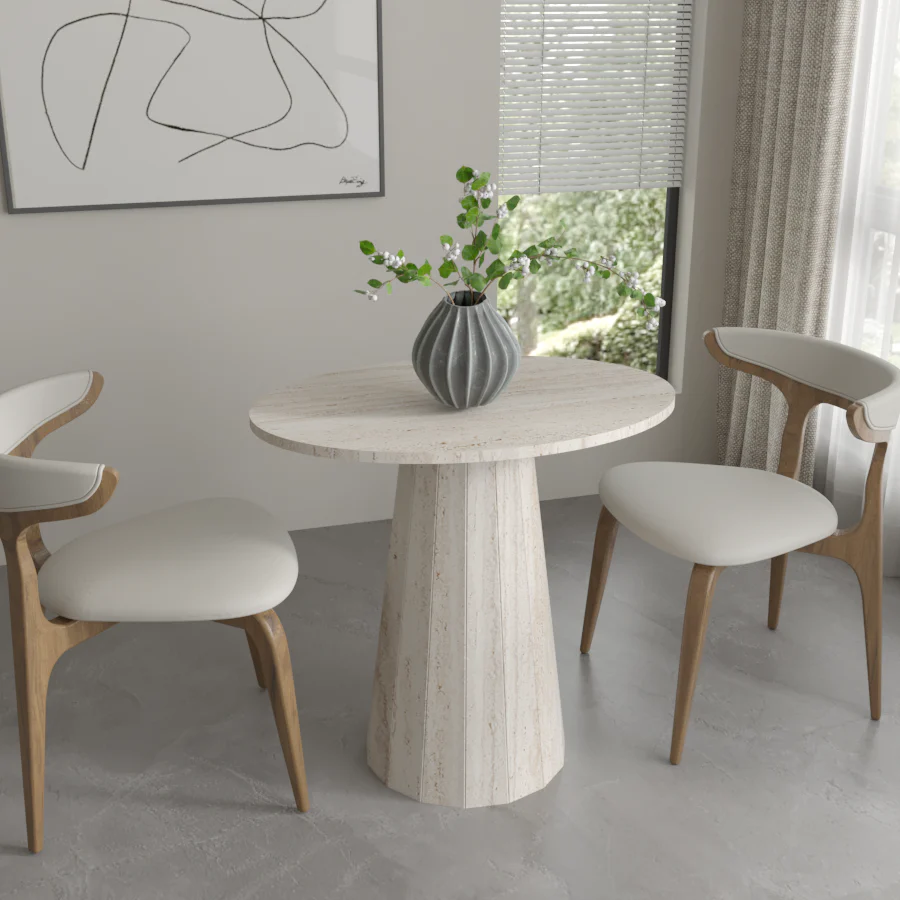

Marble Table Care: A Complete Guide
How to clean a marble table starts with understanding the material. Marble is a natural stone with depth, veining and a cool surface character, but it is not an indestructible household surface. Good marble care is simple. Use the right cleaner, avoid acidic products, wipe spills promptly and protect the surface from sharp, rough or wet objects. With sensible habits, a marble table can be used and enjoyed without treating it like a museum piece. The Short Answer Clean a marble table with a soft cloth, warm water and a pH-neutral cleaner made for natural stone. Dry the surface after cleaning. Do not use vinegar, lemon, bleach, abrasive powders, rough pads or strong household sprays. Acidic products can etch marble, leaving dull marks on the surface. Harsh cleaners can also damage the finish or weaken the protection of the seal. Use coasters, placemats and trays where sensible, especially for drinks, oils, candles and decorative objects. Why Marble Needs Proper Care Marble is a real stone, not a printed surface. Its veining, tone and natural movement are part of the material. That is why pieces such as the Duomo Marble & Wood Coffee Table and Palatino Marble & Travertine Dining Table have a different character from mass-produced furniture. The same natural character also means marble needs care. It can stain if liquid is left on the surface. It can also etch when exposed to acidic substances, even if the stone is sealed. Sealing helps protect marble from staining. It does not stop acid etching completely. This distinction matters. Explore the wider marble furniture collection to see how the material works across tables and furniture pieces. Staining vs Etching People often use the word stain for any mark on marble, but there are two different issues. A stain happens when something soaks into the stone and changes its colour. Oil, wine, coffee and strongly coloured liquids can cause staining if they are left too long. Etching is different. It happens when acid reacts with the marble surface. Lemon juice, vinegar, wine, fruit juice and some cleaning sprays can leave a dull patch or ring. The mark may look pale, flat or less polished than the surrounding stone. A sealed marble table is better protected from staining, but it can still etch if acidic spills are left on the surface. How to Clean a Marble Table Day to Day For everyday cleaning, keep it gentle. Wipe the table with a soft dry cloth to remove dust and grit. For light cleaning, use warm water and a clean microfibre cloth. For a deeper clean, use a pH-neutral cleaner designed for natural stone. After cleaning, dry the surface with a separate cloth. Do not leave water sitting on the marble, especially around edges, joins or any natural surface variation. A simple routine works best: Wipe dust and crumbs with a soft cloth Clean with warm water or pH-neutral stone cleaner Blot spills as soon as they happen Dry the surface after cleaning Use coasters for drinks Use placemats for food and serving dishes Use felt pads under objects with rough bases What Not to Use on Marble Do not clean marble with vinegar. Do not use lemon juice, bleach, limescale remover, bathroom cleaner, abrasive cream cleaner or strong kitchen degreaser. These products may be useful elsewhere in the home, but they are not suitable for marble furniture. Acidic cleaners can etch the surface. Abrasive cleaners can scratch or dull the finish. Avoid rough scouring pads, wire wool and hard brushes. Marble should be cleaned with soft cloths and stone-safe products. What to Do After a Spill Act quickly, but do not panic. Blot the spill with a soft cloth. Do not rub it across the table, as this can spread the liquid over a larger area. Once the spill is removed, clean the area with warm water or a pH-neutral stone cleaner. Dry the surface afterwards. Take extra care with: Wine Coffee Tea Oil Citrus Vinegar Tomato-based sauces Strong coloured sauces Perfume or cosmetics Candle wax and dye If a mark remains, avoid experimenting with harsh cleaning products. The wrong cleaner can make the problem worse. Sealing a Marble Table Marble tables should usually be sealed to help protect the stone against staining. The correct seal depends on the stone, finish and intended use. A dining table may need more protection than a side table. A coffee table used daily for drinks and decorative objects may also need careful sealing and regular checks. Sealant does not make marble impossible to mark. It gives useful protection and more time to clean spills before they enter the stone. If the table begins to absorb liquid more quickly, it may need resealing. Use products suitable for natural marble and follow the guidance for the specific finish. Caring for Marble Dining Tables A marble dining table needs more day-to-day protection than a decorative table because it is exposed to food, drink, heat and cleaning. Use placemats or table linen during meals. Wipe spills quickly. Avoid placing hot pans, oily dishes or acidic food directly onto the surface. The Palatino Marble & Travertine Dining Table is designed as a substantial natural stone dining piece. It should be used properly, but with the same respect you would give to any real material. Caring for Marble Coffee Tables A marble coffee table is often used for drinks, books, candles, trays and decorative objects. The main risks are water rings, rough object bases, candle dye, oil and acidic drinks. The Duomo Marble & Wood Coffee Table combines marble with timber, so both materials should be considered. Use coasters for drinks and soft pads beneath heavier decorative pieces. Keep the surface visible rather than covering it with too many objects. Good styling can also protect the table. A tray can hold remotes, candles and coasters while keeping smaller objects from being dragged across the marble. Marble Care FAQs How do you clean a marble table? Use a soft cloth, warm water and a pH-neutral cleaner made for natural stone. Dry the surface afterwards. Avoid vinegar, lemon, bleach, abrasive pads and general household sprays. Can I use washing-up liquid on marble? A very mild solution may be acceptable occasionally, but a pH-neutral stone cleaner is safer. Avoid strong degreasers or heavily scented products. Does marble stain easily? Marble can stain if spills are left on the surface, especially oil, wine, coffee and strongly coloured liquids. Sealing helps reduce the risk, but spills should still be wiped promptly. What is etching on marble? Etching is a dull mark caused by acid reacting with the marble surface. Lemon, vinegar, wine, fruit juice and some cleaning products can cause etching. Does sealing stop marble from etching? No. Sealing helps protect against staining, but it does not fully prevent acid etching. Acidic spills should still be cleaned quickly. Can marble be used for a dining table? Yes. Marble can be used for a dining table when properly finished, sealed and cared for. It is a natural stone surface, so it needs sensible use rather than harsh cleaning or neglect. What should I avoid putting on a marble table? Avoid acidic liquids, wet glasses without coasters, hot pans, oily dishes, abrasive objects and anything with a rough base. Use coasters, placemats, trivets and felt pads where needed.
Learn more
How to Style a Round Coffee Table
Where do you place a round coffee table? Usually, it should sit at the centre of the seating area, close enough to reach from the sofa, but with enough space around it for people to move comfortably. A round coffee table works because it softens a room. It breaks up straight sofa lines, rugs and cabinetry, while giving the living space a clear centre. The key is to style it with restraint. Let the shape, material and proportion do most of the work. The Short Answer Place a round coffee table in the middle of the seating arrangement, not necessarily the exact middle of the room. It should relate to the sofa, armchairs and rug around it. As a guide, leave enough space between the table and sofa for easy movement. The table should be close enough for a drink or book, but not so close that it interrupts the room. When styling the surface, use a few considered objects rather than filling every inch. A tray, books, a small bowl, a low vase or a sculptural object can be enough. Why Choose a Round Coffee Table? A round coffee table is useful in rooms where movement matters. With no corners, it feels softer to walk around and can work well with curved sofas, corner sofas, paired armchairs or smaller sitting areas. It also helps balance rooms with lots of straight lines. Sofas, fireplaces, media units, shelves and rugs often create a strong rectangular layout. A round table breaks that pattern without making the room feel busy. Natural stone adds another layer. Pieces such as the Aventino Round Travertine Coffee Table and Monteverde Round Travertine Coffee Table bring weight, texture and calm material character to the centre of the room. View our round coffee tables to see how the shape works in natural stone. Where to Place a Round Coffee Table Start with the seating, not the walls. The coffee table should belong to the sofa and chairs around it. In a standard living room, place the table in front of the main sofa and align it with the seating area. In a room with two sofas facing each other, the round coffee table should sit between them. In a larger room with several chairs, it should create a shared centre that each seat can relate to. Avoid pushing the table too far away. If people have to lean awkwardly to reach it, the table is in the wrong place. Equally, avoid placing it so close that knees, feet and movement become restricted. How Much Space Should You Leave Around It? The table needs breathing room. It should feel connected to the seating, but not trapped by it. Leave a comfortable walking gap between the edge of the table and the sofa or chairs. In a tighter room, a smaller round table can be more practical than a square or rectangular one because the curved edge makes movement easier. Also consider doors, fireplaces, TV units and routes through the room. A coffee table should support the layout, not block the way people naturally move. What to Put on a Round Coffee Table A round coffee table looks best when the styling follows the shape. Avoid arranging objects in a stiff straight line across the surface. Use groupings instead. A small tray can hold useful items. A stack of books can add height. A bowl, candle or low vase can bring shape without cluttering the table. Try to vary height, but keep it practical. Anything too tall can interrupt conversation, block the television or make the table feel overstyled. Good coffee table objects include: A small stack of books A ceramic or stone bowl A low vase A tray for remotes or coasters A candle or small sculptural object A practical coaster set Leave some empty surface. Stone, wood, glass or any other material needs space to be seen. Styling a Stone Round Coffee Table A stone round coffee table already has natural character. Travertine has pores, tonal variation and soft movement. Marble has veining and a cooler surface. Granite has density and visual depth. Do not cover the entire surface. The stone is part of the design. For travertine, warm and quiet materials tend to work well. Think ceramic, timber, linen, bronze, leather, paper and soft neutral tones. Avoid too many polished or reflective objects, unless the room needs more contrast. A round stone coffee table should feel grounded. Styling should support that feeling rather than compete with it. How to Style a Round Coffee Table on a Rug A rug can help anchor the coffee table within the seating area. The table should sit comfortably on the rug, with the surrounding furniture relating to the same zone. In larger living rooms, the front legs of the sofa and chairs may sit on the rug. In smaller rooms, the coffee table alone may sit on the rug, provided the proportions still feel intentional. Make sure the table does not feel too small for the rug. A large rug with a very small table can make the room feel loose. A table that is too large can make the seating area feel cramped. Common Mistakes to Avoid The most common mistake is choosing a table that is too small. A round coffee table should still have enough surface to serve the seating area. Another mistake is placing it too far from the sofa. The table may look centred in the room, but it will not work in daily use. Overstyling is also easy. Too many objects can make a round surface feel crowded. A few pieces, arranged with space between them, usually works better. Avoid sharp or scratchy objects directly on natural stone. Use felt pads, trays or coasters where sensible. Round Coffee Table FAQs Where do you place a round coffee table? Place a round coffee table at the centre of the seating area, usually in front of the main sofa or between sofas and chairs. It should be close enough to use, with enough room around it for comfortable movement. Is a round coffee table better for a small room? A round coffee table can work well in a small room because it has no corners and is easier to move around. The size still needs to suit the sofa, rug and available floor space. What shape rug works with a round coffee table? A round coffee table can work on a rectangular, square or round rug. The best choice depends on the wider seating layout. In most living rooms, a rectangular rug is the most practical option. How do you style a round travertine coffee table? Keep the styling simple. Use a small group of objects such as books, a bowl, a tray or a low vase. Leave enough empty surface so the travertine can be seen. Should a coffee table be centred with the sofa or the room? It should usually be centred with the seating area, not the whole room. The table needs to work with the sofa and chairs first. What should you avoid putting on a stone coffee table? Avoid acidic spills, wet glasses without coasters, abrasive objects and anything with a rough base that could scratch the surface. Use trays, coasters and soft pads where needed.
Learn more
What Is Travertine? The Stone Behind the Colosseum
What is travertine? Travertine is a natural limestone formed by mineral-rich water, known for its warm tones, visible pores and quiet surface movement. It is one of the oldest stones used in architecture, and one of the most useful materials for furniture that needs weight, texture and presence. At Virrelli, travertine is used for dining tables, coffee tables and side tables made to order in England. The appeal is simple. Travertine feels solid without feeling cold. It has history, but it still belongs in modern rooms. The Short Answer Travertine is a type of natural limestone. It usually forms around mineral springs, where calcium carbonate is deposited over time. This process gives travertine its layered movement, soft colour variation and natural pores. In furniture, those pores and markings are part of the character. Travertine is not meant to look factory-smooth or identical from one table to the next. Each piece has its own tone, pattern and texture. How Travertine Forms Travertine forms when mineral-rich water leaves calcium carbonate behind. Over time, those deposits build into stone. The result is a limestone with visible texture, natural cavities and bands of colour. This is why travertine often has a warmer, more open character than marble. It does not usually have the same strong veining. Instead, it has softer movement, small pores and a more architectural feel. The stone is commonly found in cream, beige, ivory, honey and warmer earthy tones. These colours make it easy to use with timber, plaster, linen, wool, leather and other natural materials. Why Is Travertine Linked to the Colosseum? Travertine has a long association with Roman architecture. The Colosseum was built using travertine limestone, along with other materials such as tuff and Roman concrete. That connection matters because it shows what kind of material travertine is. It is not a passing interiors trend. It is a stone with weight, history and architectural purpose. In the home, travertine gives furniture some of that same grounded quality. A table made from travertine does not need heavy decoration. The material already carries enough character. Why Does Travertine Have Pores? The pores in travertine come from the way the stone forms. They are one of its most recognisable features. Some travertine is filled to create a smoother surface. Some is left more open to show its natural texture. The right finish depends on the piece, the intended use and the look of the room. For tables, the surface needs to be practical as well as beautiful. That is why the finish, edge detail and sealing should be considered carefully. Travertine as a Furniture Material Travertine works especially well for tables because it has mass, warmth and natural variation. It can make a room feel calmer and more grounded without looking overdesigned. A travertine dining table can create a permanent centre for meals and gatherings. The Ravenna Oval Travertine Dining Table shows how the material can soften a larger dining piece, while still keeping its substance. A travertine coffee table brings the same character into a living room. The Aventino Round Travertine Coffee Table uses the stone in a lower, more central form, giving the seating area weight without sharp corners. Explore the wider travertine furniture collection to see how the material works across different table types. Travertine Dining Tables, Coffee Tables and Side Tables Travertine can change character depending on scale and shape. A large dining table feels architectural and permanent. A coffee table feels grounded and tactile. A side table feels more sculptural, especially when placed beside a sofa, armchair or bed. For dining spaces, view our travertine dining tables. For living rooms, explore travertine coffee tables. For compact pieces, browse travertine side tables. Travertine vs Marble Travertine and marble are both natural stones, but they behave visually in different ways. Travertine is usually warmer, more textured and more porous in appearance. Marble is often smoother, cooler and more defined by veining. Travertine tends to calm a room down. Marble tends to sharpen it. Neither is simply better. The right choice depends on the room, the intended use and the material character you prefer. How to Care for Travertine Travertine should be treated as natural stone. Use a soft cloth, warm water and a pH-neutral cleaner suitable for stone surfaces. Avoid vinegar, lemon, bleach, abrasive pads and harsh household sprays. Sealing helps protect the stone, especially on tables used for food, drink or daily objects. It does not make travertine impossible to mark, but it gives useful protection when paired with sensible care. Wipe spills promptly, use coasters where needed, and avoid leaving oil, wine, coffee or acidic liquids on the surface. Travertine FAQs Is travertine a natural stone? Yes. Travertine is a natural limestone formed by mineral-rich water deposits. Its pores, tonal variation and surface movement are part of the material. Is travertine the same as marble? No. Travertine and marble are different natural stones. Travertine usually has warmer tones, visible pores and softer movement. Marble is often smoother, cooler and more strongly veined. Why is travertine used for tables? Travertine has weight, warmth and natural texture. It gives tables a grounded, architectural quality while still feeling calm enough for everyday interiors. Does travertine stain? Travertine can stain if spills are left on the surface, especially oil, wine, coffee and acidic liquids. Sealing helps, but the table should still be cleaned promptly and cared for properly. Is travertine suitable for dining tables? Yes. Travertine is suitable for dining tables when properly finished, sealed and cared for. It is a real stone, so it should be treated with respect rather than used like a synthetic surface. Is every travertine table different? Yes. Every piece of travertine has its own tone, pores, lines and surface movement. This natural variation is part of the appeal.
Learn more
Are Stone Coffee Tables Practical? An Honest Guide
A stone coffee table can be practical, but only if you understand what natural stone is good at and what it asks of you. It is strong, solid and visually calm. It is also heavy, porous in some materials, and not something to drag around the room on a whim. For the right home, a stone coffee table is a serious piece of furniture. It gives the sitting area a centre. It does not wobble, feel temporary or need replacing because a trend has moved on. The Short Answer Yes, stone coffee tables are practical for many homes. They are durable, stable and easy to live with when sealed and cared for properly. They are less practical if you want lightweight furniture, move things often, or expect every surface to behave like laminate. Natural stone needs simple care: wipe spills quickly, use coasters, avoid harsh cleaners and respect the weight of the piece. The Pros of a Stone Coffee Table A stone coffee table brings weight, permanence and natural character to a room. It sits firmly in place and gives the seating area a clear centre. Stone also has depth that manufactured surfaces cannot copy. Travertine has pores, bands and soft tonal movement. Marble has veining and a cooler surface character. Granite feels denser and harder wearing. Pieces such as the Aventino Round Travertine Coffee Table and Duomo Marble & Wood Coffee Table show how different the material can feel depending on shape, stone and construction. For the full range, view our stone coffee tables. The Cons to Think About The main drawback is weight. A stone coffee table is not easy to lift, shift or reposition. Delivery and placement need proper care. Some stones can also stain or etch if spills are left on the surface. Travertine and marble should be sealed, but sealant is protection, not armour. Wine, coffee, oil, citrus and strong cleaning products should be handled carefully. Stone can also chip if struck hard on an edge. It is strong, but not careless-proof. Weight and Everyday Use Weight is part of the appeal. It gives the table presence and stability. You are unlikely to knock it out of place during daily use. But weight also means you should plan where the table will sit. Think about sofa spacing, walkways, rug placement and access before it arrives. Once a stone table is in position, it is best left there. This is why proportion matters. A well-sized stone coffee table should feel generous without blocking the room. Cleaning and Care Day-to-day care is simple. Use a soft cloth, warm water and a pH-neutral cleaner suitable for natural stone. Dry the surface after cleaning. Avoid vinegar, lemon, bleach, abrasive pads and strong household sprays. These can damage the finish or mark the stone. Use coasters for drinks, especially wine, coffee and anything acidic. Use trays or felt pads under decorative objects if they are rough underneath. Are Travertine Coffee Tables Practical? Travertine coffee tables are practical if you like natural texture and are happy with simple care. Travertine is visually forgiving because its pores, bands and tonal variation can sit comfortably alongside everyday use. It is a good choice for relaxed living rooms, neutral interiors and spaces where the table should feel warm rather than polished. For examples, view our travertine coffee tables. Which Homes Suit Stone Coffee Tables? Stone coffee tables work best in homes where furniture is chosen slowly and kept for years. They suit living rooms with proper space around the seating area, calmer interiors and people who value natural materials. They may be less suited to homes where furniture is moved constantly, young children use the coffee table as play equipment, or the surface is likely to be treated roughly every day. That does not make stone impractical. It just means it should be chosen with intent.
Learn more
How to Clean and Seal a Travertine Table
How to clean a travertine table comes down to one simple rule: treat it like natural stone, not a standard household surface. Travertine is strong, beautiful and made for use, but it is still porous. It needs the right cleaner, sensible daily care and a good seal. So, does travertine stain? It can, if spills are left to sit or the wrong products are used. With prompt cleaning and proper sealing, a travertine table can be lived with confidently. The Short Answer Clean a travertine table with a soft cloth, warm water and a pH-neutral cleaner made for natural stone. Wipe spills quickly. Avoid vinegar, lemon, bleach, abrasive pads and harsh household sprays. Sealing helps protect the surface, but it does not make travertine indestructible. Think of it as useful protection, not a licence to leave wine, oil, coffee or acidic foods on the table. What Makes Travertine Different? Travertine is a natural limestone with visible pores, soft movement and tonal variation. Those pores are part of its character. They are also the reason care matters. A travertine table is not meant to look factory-perfect. The surface may have natural pits, filled areas, bands and small variations from piece to piece. This is what gives furniture such as the Aventino Round Travertine Coffee Table and Ravenna Oval Travertine Dining Table its depth and material presence. For more pieces in this stone, view our travertine coffee tables and travertine dining tables. How to Clean a Travertine Table Day to Day Use a soft cloth or microfibre cloth for daily wiping. For light marks, warm water is often enough. For a deeper clean, use a pH-neutral stone cleaner. Dry the surface after cleaning. Do not leave standing water on the table, especially around edges, joins or natural pores. A simple routine works best: Wipe crumbs and dust away with a soft dry cloth Clean with warm water or pH-neutral stone cleaner Remove spills as soon as they happen Dry the surface with a clean cloth Use coasters, placemats and trivets where sensible What Not to Use on Travertine Do not use acidic cleaners on travertine. That includes vinegar, lemon juice and many bathroom or kitchen sprays. Acid can dull or etch the surface. Avoid bleach, abrasive powders, wire wool, rough scouring pads and steam cleaners. These can damage the finish or weaken the protection of the seal. Travertine does not need aggressive cleaning. It needs gentle, regular care. Does Travertine Stain? Travertine can stain because it is porous. Oil, red wine, coffee, tea, sauces and strongly coloured liquids are the main risks. Acidic spills can also leave dull marks if they are left too long. This does not mean travertine is unsuitable for tables. It simply means it should be used with care. Most natural materials need the same kind of respect: wood can mark, marble can etch, and stone can stain if neglected. The best protection is quick action. Blot spills rather than rubbing them across the surface. Clean with a suitable stone cleaner, then dry the table. How Sealing Helps Sealing helps reduce the rate at which liquid can enter the stone. It gives you more time to clean a spill before it becomes a problem. The right seal will depend on the travertine, finish and intended use. A dining table may need different consideration from a side table or coffee table. Always follow the advice given for your specific piece. A sealed travertine table still needs coasters, placemats and sensible cleaning. Sealant supports care. It does not replace it. When to Reseal a Travertine Table Resealing depends on use, finish and the sealant applied. A table used every day for meals may need attention sooner than a side table used occasionally. A simple water test can help indicate whether protection is still working. Place a small amount of clean water on an inconspicuous area. If the water darkens the stone quickly or soaks in rather than sitting on the surface, the table may need resealing. Use this as a guide only. For a handmade table, it is better to confirm the right product and process before applying anything. Which Travertine Tables Need the Most Care? Dining tables usually need the most day-to-day care because they deal with food, drink, heat and regular cleaning. Coffee tables also see a lot of use, especially from mugs, glasses, books, candles and decorative objects. Side tables tend to have lighter use, but they should still be protected from water rings, oils and sharp objects. The rule is the same for all travertine furniture: clean gently, wipe spills quickly and avoid harsh products.
Learn more
Travertine vs Marble: Which Is Better for a Table?
Travertine vs marble is not a question of good stone against bad stone. Both are natural materials. Both can make a serious table. The better choice depends on how you live, what kind of surface you like, and how much natural variation you want to see every day. Travertine tends to feel warmer, softer and more architectural. Marble often feels cooler, smoother and more refined. For dining tables, coffee tables and side tables, the choice is usually about character first, then care. The Short Answer Choose travertine if you want a warmer, more textured table with visible pores, softer movement and a grounded, ancient feel. It suits relaxed dining rooms, calm living spaces and interiors where the stone should feel substantial but not polished to perfection. Choose marble if you want stronger veining, a smoother surface and a cooler, more formal look. Marble suits rooms where the table is expected to feel sharper, cleaner and more decorative. For most homes, neither material should be treated like a plastic laminate or factory-made surface. Both deserve simple care. Use coasters, wipe spills promptly and choose a suitable finish and seal. What Is Travertine? Travertine is a type of limestone formed by mineral deposits, often around hot springs. It is known for its open pores, warm tones and banded movement. Many people recognise it from Roman architecture, flooring and stone interiors. As furniture, travertine has a solid, earthy quality. It does not feel glossy or precious by default. It feels grounded. That is why it works well for dining tables, coffee tables and side tables that need presence without looking overworked. Virrelli uses travertine across pieces such as the Ravenna Oval Travertine Dining Table and the Navona Travertine Side Table. For the wider material range, view our travertine furniture. What Is Marble? Marble is a metamorphic stone formed when limestone is changed by heat and pressure. It is known for its veining, smoother surface and wide range of colours, from pale whites and creams to darker, more dramatic stones. As a table material, marble usually feels more formal than travertine. It can look crisp, graphic and refined, especially when the veining is strong. It often suits cleaner interiors, darker woods, metal details and rooms where the table is meant to feel more composed. For pieces using this material, explore our marble furniture, including designs such as the Duomo Marble & Wood Coffee Table. Durability Compared Both travertine and marble are real stone, but neither is indestructible. They are strong materials, yet they can mark, chip or stain if treated carelessly. Travertine is often slightly more textured and forgiving in appearance. Small signs of use can sit more naturally within its pores and tonal variation. Marble can show marks more clearly, especially on paler stones with a smooth finish. For dining, the base design, stone thickness, finish and sealing matter as much as the stone type. A well-made stone table should feel stable and properly supported. This is why handmade construction matters. Feature Travertine Marble General feel Warm, textured, architectural Cool, smooth, refined Surface character Open pores, tonal bands, softer movement Veining, clearer contrast, smoother movement Day-to-day tolerance Visually forgiving, still needs care Durable, but marks can show more clearly Best suited to Relaxed dining, natural interiors, grounded rooms Cleaner interiors, sharper schemes, formal rooms Care level Moderate Moderate to high, depending on finish Staining and Sealing Both stones are porous to some degree. That means sealing matters. A sealed travertine table is better protected against everyday spills, but it should still be wiped promptly. Wine, coffee, oil, citrus and strong coloured sauces should not be left sitting on the surface. Marble also needs sealing and sensible use. Acidic liquids can etch marble, leaving dull marks on the surface. Lemon juice, vinegar and some cleaning products are common culprits. This does not mean marble is unsuitable for tables. It means it should be used with care. For either stone, avoid harsh cleaners. Use a soft cloth and a pH-neutral cleaner suitable for natural stone. Appearance and Character Travertine has a quieter, more mineral character. Its beauty is in the pores, bands and soft shifts in colour. It often works well with plaster, oak, linen, bronze, warm neutrals and natural textures. Marble is usually more defined. Veining can be subtle or bold, depending on the slab. It can bring more contrast to a room, especially when paired with dark timber, black accents or clean architectural lines. This is the simplest way to think about it: travertine tends to calm a room down. Marble tends to sharpen it. Price Price depends on the stone, table size, construction, finish, wastage, transport and installation requirements. A small travertine side table is not comparable to a large marble dining table. In general, rare marbles and complex marble slabs can become more expensive quickly. Travertine is often more accessible, but large, high-quality travertine pieces still require serious craft and handling. The cost should be judged against the finished object, not just the material name. A natural stone table is heavy, made slowly and built around a material that cannot be rushed. Which Should You Choose? Choose travertine if you want warmth, texture and a table that feels grounded. It is especially strong for dining spaces where you want natural stone without a cold or overly formal mood. View our travertine dining tables for examples. Choose marble if you want a smoother, more composed surface with stronger veining and a cleaner finish. It is a good choice when the table needs to feel more refined or graphic within the room. You can also think by table type. Travertine works beautifully for large dining tables, pedestal forms, coffee tables and side tables. Marble works well where veining and contrast are part of the design, especially in coffee tables and selected dining pieces. For the full dining range, including natural stone pieces across materials, view our stone dining tables.
Learn more