


Guides
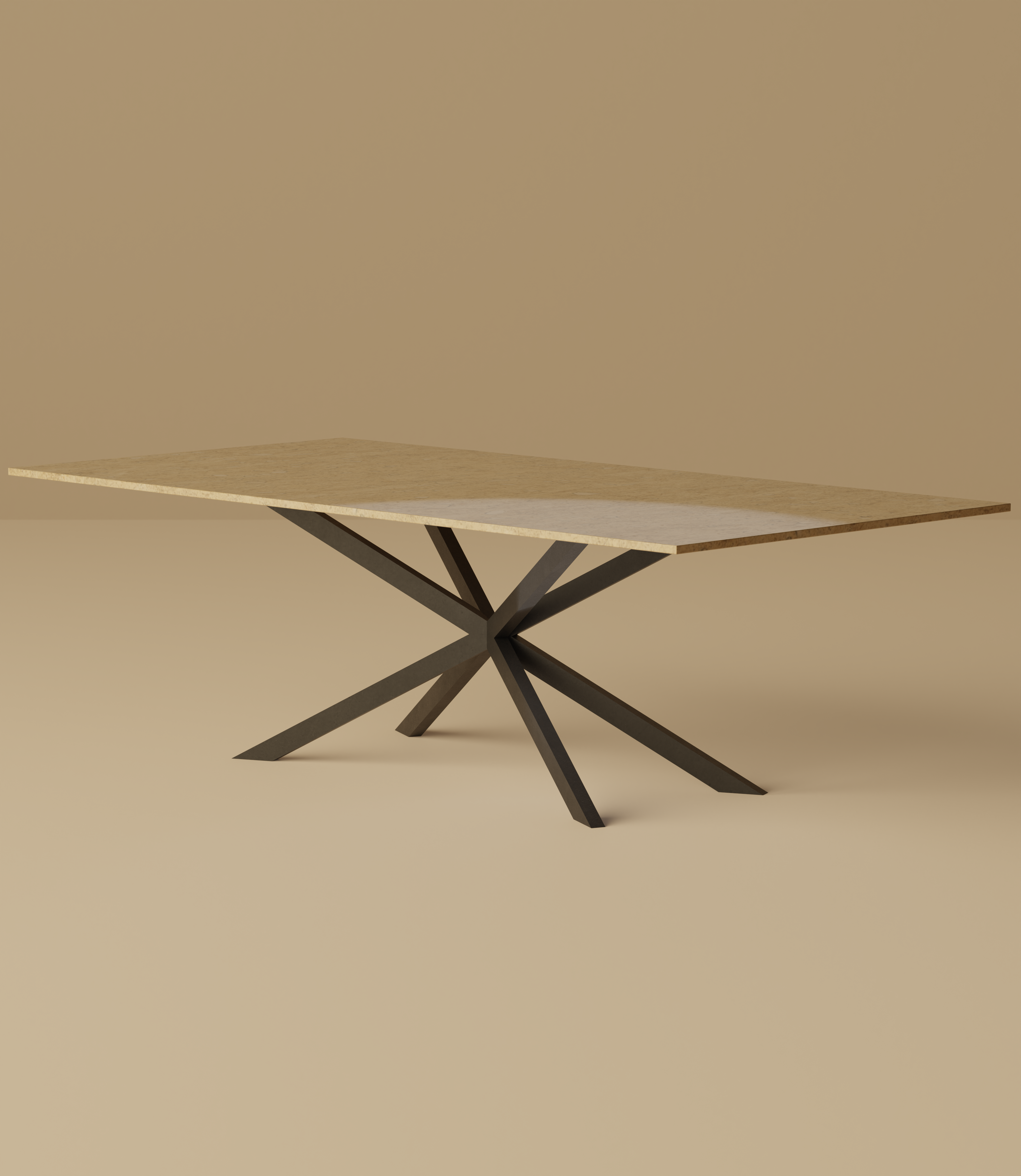

Honed vs Polished Stone: Finishes Explained
Honed vs polished stone is one of the most important choices when buying a natural stone table. The finish changes how the stone looks, how much light it reflects, how the surface feels, and how easily everyday marks may show. A honed finish is smooth and low-sheen. A polished finish is glossier and more reflective. Neither is automatically better. The right choice depends on the stone, the room and how the table will be used. For more stone terms, read our stone furniture glossary, or explore the wider stone furniture collection. The Short Answer Choose honed stone if you want a softer, calmer surface with less shine. It usually feels more natural and understated, especially on travertine, marble and some granites. Choose polished stone if you want more reflection, stronger colour and a surface that shows veining with more contrast. It can feel more formal, but it may also show scratches, etching or dull patches more clearly. For furniture, honed finishes are often easier to live with visually. Polished finishes can be beautiful, but they need the right room and the right care. What Is a Honed Finish? A honed finish is smooth, flat and low-sheen. It is not rough, but it does not have the mirror-like reflection of polished stone. On a table, honed stone usually feels quiet and tactile. It softens the surface and lets the material feel more natural. This can work especially well in living rooms and dining rooms where the table needs presence without looking too glossy. Honed travertine keeps the warmth and texture of the stone. Honed marble can make veining feel softer and less formal. Honed granite can reduce glare and give the stone a more architectural character. This finish suits many stone dining tables, stone coffee tables and stone side tables. What Is a Polished Finish? A polished finish is smoother, shinier and more reflective. It brings out colour, depth and veining more strongly than a honed finish. On marble, polishing can make the veining appear sharper and more dramatic. On granite, it can bring out mineral detail and depth. On travertine, it can create a more formal surface, although many people prefer travertine with a softer, honed feel. A polished table can look refined, but it is less forgiving visually. Scratches, etching, dull patches, dust and fingerprints may be more noticeable because the surface reflects more light. Polished stone can work well in the right setting, but it should be chosen deliberately rather than by default. Honed vs Polished: Key Differences Feature Honed stone Polished stone Surface look Matt or low-sheen Glossy and reflective Feel Smooth, soft, natural Smooth, crisp, more formal Light reflection Lower reflection Higher reflection Veining Softer, quieter Sharper, more pronounced Everyday marks Often more visually forgiving Can show dull marks more clearly Best suited to Calm interiors, tactile furniture Formal rooms, statement surfaces Common use Dining, coffee and side tables Feature pieces and more decorative surfaces Care level Still needs stone-safe care Needs careful cleaning and protection How the Finish Changes the Stone The same stone can feel very different depending on the finish. A honed marble table may feel calm, chalky and composed. A polished marble table may feel sharper, brighter and more decorative. A honed travertine table often feels warm and architectural. The pores, bands and tonal movement remain visible, but the surface does not shout for attention. This is one reason travertine furniture often suits relaxed, natural interiors. A polished granite table can feel deep and reflective, especially with darker stones. A honed granite finish can make the same material feel more restrained and less glossy. The finish is not only a technical choice. It changes the mood of the furniture. Which Finish Is Best for Travertine? Travertine usually suits a honed or softer finish. The stone has natural pores, bands and warm tonal variation, so a low-sheen surface often feels most honest to the material. A highly polished travertine can look more formal, but it may lose some of the quiet texture that makes the stone appealing for furniture. For travertine furniture, a honed finish can help the piece feel grounded and natural. It works well across travertine dining tables, travertine coffee tables and travertine side tables. The Aventino Round Travertine Coffee Table is a good example of why a softer finish can suit the material. The shape and stone do enough on their own. The surface does not need heavy shine. Which Finish Is Best for Marble? Marble can work well in both honed and polished finishes, but the effect is different. Honed marble feels softer and more contemporary. It reduces glare and gives the veining a quieter appearance. It can suit dining rooms, coffee tables and interiors where the marble should feel refined but not too formal. Polished marble makes the veining stronger and the surface more reflective. This can create a more decorative look, especially in rooms with good lighting and more formal materials. The trade-off is care. Marble can etch when exposed to acidic substances such as lemon, vinegar, wine and some cleaning products. Etching is often more visible on polished marble because it disrupts the shine. For marble pieces such as the Palatino Marble & Travertine Dining Table, the finish should be chosen around both the stone and the way the table will be used. Explore our marble furniture collection for natural stone pieces in this material. Which Finish Is Best for Granite? Granite is dense, hard and mineral in character. It can take a polished finish well, especially where the aim is to bring out depth and contrast. A polished granite surface can look strong and architectural. It may suit darker stones, side tables and pieces where the mineral pattern is part of the design. A honed granite finish is quieter. It reduces reflection and can make the stone feel more natural, especially in rooms with softer materials or less formal styling. For granite furniture, the choice depends on whether the piece should feel bold and reflective or more restrained and grounded. Which Finish Is Better for Dining Tables? For dining tables, honed stone is often the more liveable choice. It has less glare, feels softer under everyday light and can be more forgiving visually. That matters because a dining table is used for food, drink, plates, glasses, serving dishes and cleaning. The surface needs to look good when empty, but it also needs to handle daily use. A polished dining table can work, but it needs more careful habits. Dull marks, scratches and etching may be more visible, especially on marble. If the dining room is relaxed, natural or family-focused, honed stone will often suit the space better. If the room is formal and carefully used, polished stone may be appropriate. View our stone dining tables and pedestal dining tables for dining pieces where shape, base and finish all need to work together. Which Finish Is Better for Coffee Tables? Coffee tables are exposed to drinks, books, candles, trays and decorative objects. For that reason, a honed finish is often a practical and visual fit. A honed coffee table feels calm in the centre of a living room. It lets the stone show without becoming too reflective. It also works well with rugs, sofas, timber, linen and soft lighting. A polished coffee table can bring more drama, especially in marble or granite, but it may show rings, dust and dull marks more readily. For living room pieces, view our stone coffee tables, round coffee tables and square coffee tables. Which Finish Is Better for Side Tables? Side tables can take either finish, depending on their role in the room. A honed side table feels quieter and more tactile. It works well beside a sofa, armchair or bed, especially when the piece is part of a calm interior scheme. A polished side table can work where the table is more decorative, such as in a hallway, entrance space or formal sitting room. Because side tables are smaller, a stronger finish may be easier to use without overwhelming the room. Still, the surface should be protected from lamps, drinks, vases and objects with rough bases. Explore stone side tables and travertine side tables for compact natural stone pieces. Does Honed Stone Stain More Easily? Honed stone can sometimes be more open at the surface than polished stone, depending on the material and finish. That means sealing and care still matter. A honed surface may be less reflective, but it is not maintenance-free. Spills should still be wiped promptly, especially oil, wine, coffee, tea and strongly coloured liquids. The advantage of honed stone is visual softness. It may not show certain marks as sharply as polished stone, because there is no high-gloss reflection to interrupt. The surface still needs proper sealing, gentle cleaning and sensible use. Does Polished Stone Scratch or Etch? Polished stone can scratch, and marble can etch. The issue is often visibility. Because polished stone reflects light, any dull patch, scratch or acid mark can stand out more clearly. This is especially true with polished marble. Etching is caused by acidic substances reacting with the stone. Lemon, vinegar, wine, fruit juice and some household cleaners can all cause problems on marble. Sealing helps protect against staining, but it does not fully prevent etching. Granite is generally less sensitive to acid than marble, but it should still be cleaned with stone-safe products. How to Care for Honed and Polished Stone The same basic care rules apply to both finishes. Use a soft cloth, warm water and a pH-neutral cleaner made for natural stone. Dry the surface after cleaning. Wipe spills quickly rather than leaving them to sit. Avoid: Vinegar Lemon Bleach Limescale remover Abrasive pads Harsh kitchen sprays Bathroom cleaners Rough objects dragged across the surface Use coasters, placemats, trays and felt pads where sensible. This is especially important for dining tables and coffee tables. Natural stone should be used, but it should not be treated like a synthetic surface. How to Choose Between Honed and Polished Choose honed stone if you want the table to feel natural, calm and easy to place in a room. It is often the better choice for relaxed interiors, travertine furniture, everyday dining and living room coffee tables. Choose polished stone if you want a stronger shine, deeper colour and a more formal surface. It can work well for statement pieces, certain marbles and granites, and rooms where reflection is part of the design. The best finish is the one that suits the stone and the way the table will be used. A finish should support the material, not fight it. Honed vs Polished Stone FAQs What does honed stone mean? Honed stone has a smooth, low-sheen finish. It is not rough, but it is less reflective than polished stone. It often feels softer and more natural. What does polished stone mean? Polished stone has a glossy, reflective finish. It usually makes colour and veining appear stronger, but it can also make scratches or dull marks more visible. Is honed stone better than polished stone? Not always. Honed stone is often better for calm, practical furniture. Polished stone is better where you want more shine, reflection and visual contrast. Is honed marble easier to live with? Honed marble can be easier to live with visually because it does not rely on high shine. It can still stain or etch, so it still needs sealing and proper care. Does polished marble etch? Yes. Polished marble can etch when exposed to acidic substances such as lemon, vinegar, wine or some cleaning products. Etching may be more visible because it dulls the polished surface. Is travertine usually honed or polished? Travertine is often suited to a honed or softer finish because the stone has natural pores, warmth and texture. A honed finish helps preserve that character. Can granite be honed? Yes. Granite can be honed for a lower-sheen finish. It can also be polished for more reflection and depth. The right choice depends on the stone and the intended look. Do honed and polished tables both need sealing? Many natural stone tables should be sealed, whether honed or polished. The correct seal depends on the stone, finish and use.
Learn more
Round vs Rectangular Dining Tables: Which Suits Your Room?
Round vs rectangular dining table choices should start with the room, not the shape you like in isolation. A dining table has to suit the space, seat people comfortably and leave enough room to move around it. With stone dining tables, this decision matters even more. Travertine, marble and granite have natural weight and presence, so the table shape affects how the whole room feels. A round table can soften a space. A rectangular table can add structure. An oval table can often sit neatly between the two. Explore our stone dining tables and travertine dining tables to compare shapes, materials and proportions. The Short Answer Choose a round dining table if you want a sociable layout, softer movement and a shape that works well in square rooms or open-plan spaces. Choose a rectangular dining table if you need more seating, a stronger formal layout or a table that follows the length of the room. Choose an oval dining table if you want the length of a rectangular table but with a softer outline and easier movement around the edges. There is no single best shape. The right choice depends on room size, seating needs, chair clearance, table base and how the space is used every day. Why Table Shape Matters The shape of a dining table changes how people sit, move and talk. A round table pulls everyone towards the centre. There is no head of the table, no sharp corners and no long distance between people at opposite ends. This makes it feel relaxed and sociable. A rectangular table gives a more ordered arrangement. It suits longer rooms, larger households and formal seating. It can also work well when the room has strong architectural lines. A stone table adds another layer to the decision. Because the material is substantial, the shape needs to feel properly placed in the room. The table should feel settled, not squeezed in. When to Choose a Round Dining Table A round dining table works well in square rooms, smaller dining areas and open-plan spaces where people move around the table from several sides. It is also good for conversation. Everyone faces inwards, so the table feels more equal and relaxed. There is no obvious end seat, which can make the arrangement feel less formal. A round table also softens the room visually. This is useful if the space already has many straight lines, such as kitchen cabinetry, doors, windows, shelving or rectangular rugs. The Aventino Round Travertine Pedestal Dining Table is a good example of this. The round stone top gives the table presence, while the central pedestal base keeps the seating more flexible. View our pedestal dining tables for this kind of central-base design. When to Choose a Rectangular Dining Table A rectangular dining table works best in longer rooms and spaces where the table needs to follow the line of the architecture. It is often the most practical option for larger seating numbers. Six, eight or ten people can usually be arranged more easily around a rectangular table than a round one, especially when the room has enough length. A rectangular table can also feel more formal. It gives clear ends, straight lines and a stronger sense of order. This can suit dining rooms, large kitchens, hospitality spaces and rooms with a more structured layout. With natural stone, a rectangular table can feel very grounded. The key is leaving enough space around it so the material does not overpower the room. When an Oval Table Is Better An oval table is often the best middle ground. It gives you more length than a round table, but with a softer outline than a rectangle. This can make it easier to move around, especially in open-plan dining spaces or rooms where people pass behind chairs. An oval stone table can also feel less severe than a rectangular table of similar length. The curved ends soften the visual weight of the stone without reducing its presence. The Ravenna Oval Travertine Dining Table shows why this shape works well. It gives the generosity of a longer dining table, but the curved form keeps it calmer in the room. Explore our oval tables for curved stone table designs. Room Shape: Square, Long or Open Plan The shape of the room should guide the table. A square room often suits a round dining table because the proportions feel balanced. The circular shape sits naturally within the space and leaves movement around the edges. A long room often suits a rectangular or oval table. These shapes follow the length of the room and help the table feel connected to the architecture. An open-plan space can work with any shape, but movement matters. If people need to walk around the dining area regularly, round and oval tables are often easier to live with because there are no hard corners. Seating and Conversation Round tables are strong for conversation. Everyone sits at a similar distance from the centre, and the layout feels less hierarchical. Rectangular tables are more practical for larger groups, but conversation can become more divided at longer lengths. People at opposite ends may feel further apart, especially once the table seats eight or more. Oval tables help soften this issue. They still provide length, but the curved ends make the layout feel less rigid. For everyday dining, think about how many people use the table most of the time, not just how many might sit there at Christmas or for occasional gatherings. Chair Clearance and Movement A dining table needs enough space around it for chairs to pull out and people to move. As a guide, leave at least 90cm around the table where possible. More is better in busy spaces, open-plan kitchens or rooms with routes passing behind chairs. Round tables can make movement easier because there are no corners. Rectangular tables need more careful placement, especially near walls, cabinetry or doorways. Stone tables should not feel crowded. Travertine, marble and granite all have visual weight, so the room needs breathing space around the table. Pedestal Base or Legs? The base matters almost as much as the shape. A pedestal base can make seating more flexible because there are no corner legs. This works especially well with round tables, where chairs can be placed more freely around the edge. Corner legs can work well for rectangular tables, but they may restrict where chairs can sit. This matters if you need to seat more people occasionally. For stone tables, the base also needs to support the weight properly. It should feel stable, proportioned and visually connected to the top. Round Dining Tables in Stone A round stone dining table can feel calm and substantial at the same time. The shape softens the material, while the stone gives the table permanence. Travertine works especially well for round dining tables because its warm tones and surface texture keep the piece from feeling too hard. Marble can make a round table feel more refined. Granite can create stronger contrast and weight. Round stone tables suit smaller dining rooms, open-plan spaces and homes where the table is used for relaxed meals and conversation. Rectangular Dining Tables in Stone A rectangular stone dining table has a stronger architectural character. It can make a dining room feel more structured and permanent. This shape works well in larger spaces where the table can sit with enough clearance on all sides. It also suits rooms where straight lines already define the layout. The main risk is scale. A rectangular stone table that is too large can dominate the room. The table should feel generous, but not heavy-handed. Oval Dining Tables in Stone Oval stone dining tables are useful when you want more seating without the hardness of corners. They work well in longer rooms, open-plan kitchens and dining areas where movement around the table matters. The curved ends help the table feel softer, while the length still gives enough space for dining. In travertine, an oval table can feel especially balanced. The stone brings weight and texture, while the shape keeps the outline easy to live with. Which Shape Is Best for Small Rooms? For smaller rooms, round tables often work best. They take up space evenly, avoid sharp corners and make movement easier. That said, a narrow rectangular table can work in a long, narrow room. The room shape matters more than the room size alone. An oval table may also work if you need more length but want to avoid the harder corners of a rectangle. The key is clearance. A smaller table with proper space around it will usually feel better than a larger table that makes the room difficult to use. Which Shape Is Best for Larger Rooms? Larger rooms can take rectangular, oval or larger round tables. Rectangular tables are usually the most practical for eight to ten seats. Oval tables offer a softer alternative for similar numbers. Large round tables can feel impressive, but they need enough diameter and a room that can support the scale. With stone, larger does not always mean better. The material already has presence, so the best table is the one that feels proportioned to the room. How to Choose Start with these questions: Is the room square, long or open plan? How many people sit there every day? How many people do you need to seat occasionally? Do people need to walk behind the chairs? Do you want the room to feel relaxed or formal? Will a pedestal base make seating easier? Does the table shape suit the rest of the furniture? Choose round for softness and conversation. Choose rectangular for structure and larger seating. Choose oval when you want length without hard corners. Round vs Rectangular Dining Table FAQs Is a round dining table better than a rectangular one? A round dining table is better for conversation, softer movement and square rooms. A rectangular table is better for larger seating numbers, long rooms and more formal layouts. Which dining table shape saves the most space? Round tables can work well in small or square rooms because they have no corners. Rectangular tables can save space in narrow rooms because they follow the length of the space. Is a round dining table good for 6 people? Yes. A round dining table can work well for six people if the diameter is large enough and the base does not restrict the chairs. A pedestal base can make seating easier. Is a rectangular dining table better for 8 people? Usually, yes. Rectangular dining tables are often more practical for seating eight or more people because they provide more length and clearer chair positions. Is an oval table better than a rectangular table? An oval table can be better if you want similar length but softer edges and easier movement around the room. It is a strong choice for open-plan spaces and longer dining areas. Are round stone dining tables practical? Yes. A round stone dining table can be practical when it is properly sized, supported and placed with enough clearance. The lack of corners can make it easier to move around. What is the best shape for a travertine dining table? Travertine works well in round, oval and rectangular forms. Round tables feel sociable, oval tables feel generous but soft, and rectangular tables feel more architectural.
Learn more
How a Virrelli Table Is Made: From Quarry to Living Room
How are stone tables made? The simple answer is slowly, carefully and with respect for the material. A natural stone table begins long before it reaches a dining room, living room or hallway. It starts with quarried stone, selected for its tone, movement, strength and suitability for the piece being made. At Virrelli, each table is handmade in England and made to order. The process is not about forcing stone into a standard shape. It is about choosing the right material, cutting it properly, finishing it by hand and making sure the finished table feels settled, useful and built to last. The Short Answer A handmade stone table is made by selecting a suitable slab of travertine, marble or granite, cutting it to size, shaping the edges, preparing the base, finishing the surface, sealing the stone and carefully delivering the finished piece. Every stage matters. Stone is heavy, natural and individual. It cannot be treated like flat-pack furniture or a printed surface. The craft is in understanding what the material will allow, then making a table that keeps its character intact. Explore our stone furniture to see the finished result across dining tables, coffee tables and side tables. 1. It Starts with the Stone Every table starts with material selection. Travertine, marble and granite all behave differently. Travertine has warm tones, visible pores and soft movement. Marble has veining and a cooler, more composed surface. Granite is dense, mineral and often more architectural. The right stone depends on the design, scale and intended use. A dining table needs a different kind of consideration from a compact side table. A coffee table may focus more on surface character and proportion. A large bespoke piece may require careful slab choice before any cutting begins. Virrelli works across travertine furniture, marble furniture and granite furniture, with each stone chosen for the job it needs to do. 2. The Design Is Planned Around the Material A stone table cannot be designed without thinking about weight, balance and support. The shape, size, edge, base and thickness all need to work together. A round dining table has different structural needs from an oval table. A square coffee table needs different visual balance from a sculptural side table. This is where made-to-order craft matters. The design is not only drawn for appearance. It is planned around how the stone will be cut, supported, finished and used. For special projects, the process may also involve bespoke sizing, a different stone, a different edge detail or a design made around a particular room. View our bespoke stone furniture page for more on made-to-order commissions. 3. The Slab Is Cut Once the stone and design are agreed, the slab is cut to the required shape and size. This stage needs accuracy. The cut affects the finished proportions, the edge detail, the placement of the natural pattern and the way the piece will sit in the room. With natural stone, the slab itself influences the final table. Veining, pores, bands and mineral movement need to be considered before cutting. The aim is to make the most of the material, not hide it. For a piece such as the Ravenna Oval Travertine Dining Table, the long curved form needs careful proportion. The shape softens the table visually, but the stone still gives it presence and weight. 4. Edges Are Shaped and Refined After cutting, the edges are shaped and finished. The edge profile has a quiet but important effect on the whole table. A sharp-looking edge can feel architectural. A softened edge can make the piece feel calmer and more practical in a home. A thicker edge gives weight. A finer edge can make a table feel more refined. Stone edges also need to be handled with care because they are often the most vulnerable part of the table. Good finishing makes the piece feel considered from every angle, not just from above. This matters across all table types, from stone dining tables to stone coffee tables and stone side tables. 5. The Base Is Made to Support the Stone The base is not an afterthought. It has to carry the stone safely and suit the design visually. Some stone tables use a pedestal base. Others use a more linear or sculptural support. The important point is balance. The table must feel stable, proportioned and comfortable to use. A pedestal dining table is a good example. With no corner legs, chairs can sit more freely around the edge. But the central base must be properly designed to support the weight of the stone above it. The Aventino Round Travertine Pedestal Dining Table shows this relationship between material, base and shape. It is a round dining piece, but the success of the design depends on the weight being properly carried through the centre. View our pedestal dining tables for this kind of structure. 6. The Surface Is Finished Surface finishing affects how the stone looks, feels and behaves. A honed finish gives a softer, lower-sheen surface. It often suits furniture because it feels calm and natural rather than overly glossy. A polished finish gives more reflection and can make colour or veining appear stronger. Travertine may also be filled, depending on the desired look and use. Filling helps smooth some of the natural pores, making the surface more practical for tables while keeping the stone’s character visible. The finish should suit the piece. A travertine coffee table used every day needs a surface that feels tactile but practical. A travertine dining table needs to balance beauty with cleaning, food, drink and daily contact. 7. The Stone Is Sealed Many natural stone tables should be sealed before use. Sealing helps reduce the risk of staining by slowing down how quickly liquids can enter the stone. This is especially important for travertine and marble. Both are beautiful furniture materials, but they should be protected properly. Granite is generally denser, but it can still benefit from suitable care depending on the finish and use. Sealing does not make stone impossible to mark. It gives useful protection, but the table should still be cleaned with stone-safe products and treated with sensible care. A handmade stone table is not difficult to live with. It simply asks to be used properly. 8. The Table Is Checked as a Finished Piece Before a stone table leaves the workshop, it needs to be checked as a complete object. The surface, edges, base, joins, finish and overall proportions all matter. The table has to look right, but it also has to feel right. It should sit properly, support its own weight and work as furniture rather than simply as a piece of stone. This is one of the differences between stone as a material and stone as a finished table. A slab may be beautiful, but the craft is in turning that slab into something useful, balanced and lasting. 9. Delivery and Placement Are Planned Carefully A stone table is heavy. Delivery needs proper planning. Access routes, doorways, stairs, floors and final placement all need to be considered before the table arrives. Large dining tables and substantial coffee tables are not casual pieces to move around after delivery. This planning is part of the process. A stone table should arrive safely, be positioned carefully and feel settled in the room from the start. For larger dining pieces, it is worth thinking about the room layout, chair clearance and daily movement before the final size is confirmed. Our stone dining table size guide can help with that decision. 10. The Table Becomes Part of the Room The final stage is the one that matters most: the table in use. A stone dining table changes how a dining room feels. A stone coffee table gives a living room a stronger centre. A stone side table can bring weight and purpose to a smaller corner, sofa end or bedside space. This is why the making process matters. Natural stone has presence before it is made into furniture, but the craft gives that presence a useful form. From round coffee tables to oval tables, square coffee tables and travertine side tables, the same principle applies. The stone should lead, and the design should make it liveable. Why Handmade Matters Handmade stone furniture is not about decoration for its own sake. It is about judgment. The maker has to understand the stone, the design, the weight, the finish and the use. They need to know when to refine an edge, when to let the material speak, and when a design needs more support or less visual noise. A handmade table should not feel overworked. It should feel resolved. That is the difference between a stone surface and a piece of stone furniture. How a Stone Table Is Made FAQs How are stone tables made? Stone tables are made by selecting a suitable slab, cutting it to size, shaping the edges, preparing the base, finishing the surface, sealing the stone and carefully delivering the finished piece. Are Virrelli tables handmade? Yes. Virrelli tables are handmade in England and made to order from natural stone, including travertine, marble and granite. What stone is used for handmade tables? Common stones include travertine, marble and granite. Travertine is warm and textured, marble is veined and composed, and granite is dense and mineral in character. Why does stone selection matter? Every slab of natural stone is different. Tone, veining, pores, bands and mineral movement all affect the finished table. Good selection helps the design make the most of the material. Are stone tables sealed? Many stone tables should be sealed to help protect against staining. Sealing is especially useful for travertine and marble, but the correct approach depends on the stone, finish and use. Can a stone table be made to a custom size? Yes, bespoke sizing may be possible depending on the stone, design and construction. The room, seating requirement, access and intended use should all be considered before the table is made. Are stone tables difficult to deliver? Stone tables are heavy, so delivery needs planning. Access routes, doorways, stairs and final placement should be checked before the table arrives. Is a handmade stone table practical? Yes. A handmade stone table can be practical when it is properly designed, finished, sealed and cared for. It should be treated as natural material, not as a synthetic surface.
Learn more
The Stone Dining Room: Tables, Light and Texture
Dining room styling starts with the table. It is the piece people gather around, the surface that takes the most visual space, and often the strongest material in the room. A stone dining table gives that centre real presence. Travertine brings warmth and texture. Marble adds veining and a more composed surface. Granite gives density, contrast and an architectural feel. The right table should work with the room, not simply sit inside it. Explore our stone dining tables and travertine dining tables to compare shapes, materials and proportions. The Short Answer A good stone dining room balances weight with softness. The table can be substantial, but the room around it needs warmth, light and texture. Use natural materials around the table: timber chairs, linen curtains, wool rugs, plaster walls, ceramic lighting and soft upholstery. Let the stone be the anchor, then build the rest of the room around it with restraint. The aim is not to make the dining room look staged. It should feel settled, useful and ready for meals. Start with the Table Shape The shape of the dining table affects the whole room. A round dining table feels sociable because everyone faces towards the centre. It also makes movement easier in square rooms, kitchens and open-plan spaces where people pass around the table from several directions. An oval dining table gives more length and seating while keeping a softer outline. It works well in longer dining rooms and open-plan layouts where a rectangular table might feel too rigid. The Ravenna Oval Travertine Dining Table is a good example of this balance: generous enough for dining, but softened by its curved form. A rectangular dining table suits larger rooms, more formal settings and layouts with strong architectural lines. For curved dining forms, view our oval tables. Use Travertine for Warmth Travertine is one of the easiest stones to use in a dining room because it has warmth without feeling soft or lightweight. Its pores, tonal shifts and quiet bands give the table texture. It works well with oak, walnut, plaster, linen, wool, bronze and warm neutral walls. In a room that might otherwise feel too clean or newly finished, travertine adds age and depth. A travertine dining table can suit both modern and older houses. It is not overly polished. It feels grounded. Browse our travertine dining tables for dining pieces made in this material. Use Marble for Veining Marble brings a different kind of character. It is usually cooler, smoother and more visibly veined than travertine. A marble dining table can work well where the room needs a sharper focal point. It pairs well with darker timber, upholstered dining chairs, bronze, blackened metal and soft architectural lighting. Keep the surrounding styling simple. Marble already has movement, so the room does not need too many competing patterns. Think About Light Stone changes with light. That is one of the reasons it works so well in a dining room. Natural daylight will show the stone’s pores, veins and tonal changes more clearly. Evening light will soften the surface and make the table feel heavier, warmer and more intimate. Pendant lighting should sit low enough to connect with the table, but not so low that it blocks conversation. A single central pendant can work well over a round table. A longer pendant or pair of lights may suit an oval or rectangular table. Avoid lighting that is too cold. Warm, soft light usually works better with natural stone, especially travertine and marble. Add Texture Around the Stone Stone has weight, so it needs texture around it. Dining chairs are one of the best places to add softness. Upholstered chairs, timber frames, leather seats or woven details can all work, depending on the room. Curtains, rugs, wall finishes and artwork also matter. A stone dining table can feel too hard if everything around it is glossy, flat or highly polished. Balance it with materials that absorb light and soften the room. Good pairings include: Travertine with oak, linen and plaster Marble with walnut, bronze and soft upholstery Granite with darker timber, wool and architectural lighting Stone with ceramic, leather, paper and natural fibres Choose Chairs Carefully The chairs need to suit the scale of the table. A stone dining table has more visual weight than a lighter timber table, so very thin or delicate chairs may feel out of balance. That does not mean the chairs need to be heavy. Lighter chairs can work well if the proportions are right. The important thing is that the chair height, width and material feel considered against the table. With a pedestal dining table, chairs can often sit more flexibly around the edge because there are no corner legs. The Aventino Round Travertine Pedestal Dining Table is designed around this idea, giving the table a central base and a more open seating arrangement. View our pedestal dining tables for this kind of layout. Keep the Surface Simple A stone dining table does not need heavy dressing. The material is already doing much of the work. For everyday styling, a bowl, low vase, candle group or simple ceramic piece may be enough. Keep the centrepiece low enough that people can talk across the table. For meals, use placemats, linen, trays or tableware that supports the stone rather than hiding it completely. Travertine works well with warm ceramics and textured linen. Marble often suits cleaner tableware and fewer decorative pieces. Leave some of the stone visible. The table should not disappear under styling. Use Rugs with Care A rug can soften a dining room, but it needs to be practical. If you use a rug beneath a stone dining table, make sure it is large enough for chairs to pull out without catching on the edge. A small rug will make the table feel cramped and can be frustrating in daily use. Flatweave or low-pile rugs usually work best. They are easier to move chairs over and less likely to trap crumbs. In rooms with beautiful flooring, you may not need a rug at all. A stone table can sit directly on timber, limestone or large-format tiles if the room already has enough warmth elsewhere. Let the Room Breathe A stone dining table needs space around it. Because the material has natural weight, it should not feel squeezed into the room. Leave enough clearance for chairs, serving, movement and the natural routes through the space. In an open-plan room, the table can help define the dining area, but it should not block movement between the kitchen, seating area and doors. Think about how the table looks when empty. A good dining room should still feel resolved when it is not being used. Stone Dining Rooms in Open-Plan Spaces In open-plan rooms, the dining table often needs to connect the kitchen and living space. Stone can help because it creates a clear material anchor. A travertine table can warm up a kitchen with painted cabinetry or pale worktops. A marble table can connect with stone surfaces elsewhere in the room. A darker stone can create contrast in a lighter scheme. Use lighting, rugs, artwork or chair material to mark the dining area without making it feel separate from the rest of the space. A round or oval table can be especially useful where the dining area sits between routes through the room. Common Stone Dining Room Mistakes The first mistake is choosing a table that is too large. A stone dining table should feel generous, but it still needs enough room around it. The second mistake is using too many hard materials. Stone, glass, polished metal and glossy surfaces can make the room feel cold if they are not balanced with timber, fabric and warm light. The third mistake is overdecorating the table. Natural stone has its own surface character. Let it show. The final mistake is ignoring daily use. A dining room should look good, but it also needs to work for meals, chairs, cleaning, serving and movement. Stone Dining Room FAQs Is a stone dining table good for a dining room? Yes. A stone dining table works well when the room has enough space and the table is properly proportioned. It brings weight, permanence and natural material character to the dining area. How do you style a stone dining table? Keep the styling simple. Use a low vase, bowl, candles, linen or ceramic pieces, and leave some of the stone visible. The surface should feel considered, not crowded. What chairs work with a travertine dining table? Travertine works well with timber, upholstered, leather or woven chairs. Oak, walnut, linen and wool all sit naturally with the warmth and texture of travertine. Is a round dining table better for conversation? A round dining table can feel more sociable because everyone faces towards the centre. It works especially well in square rooms and smaller dining spaces. Is an oval dining table practical? Yes. An oval dining table gives useful length and seating while keeping a softer outline than a rectangle. It can be a strong choice for longer dining rooms and open-plan spaces. Should I use a rug under a stone dining table? A rug can soften the room, but it needs to be large enough for chairs to pull out properly. Low-pile or flatweave rugs are usually the most practical option. How do you stop a stone dining room feeling cold? Balance the table with warm light, timber, fabric, rugs, curtains, ceramics and natural textures. Travertine is especially useful if you want stone with a warmer feel.
Learn more
Stone Furniture in the Living Room: A Styling Guide
Living room styling works best when the furniture feels useful, balanced and properly placed. Stone furniture can help with that. A natural stone coffee table gives the seating area a clear centre, while stone side tables add weight and purpose to the edges of the room. Travertine, marble and granite all bring different character. Travertine feels warm and textured. Marble brings veining and a cooler surface. Granite feels denser and more architectural. The right choice depends on the room, the sofa, the light and how you use the space every day. The Short Answer Use a stone coffee table when the living room needs a stronger centre. Use stone side tables when you need useful surfaces beside sofas, armchairs or reading chairs. Keep the styling simple. Natural stone already has pores, veining, tone and movement. It does not need to be covered with objects. Let the table breathe, and use accessories that support the material rather than compete with it. Explore our stone coffee tables and stone side tables to compare shapes, materials and proportions. Why Stone Works in a Living Room A living room needs furniture that can handle daily use without feeling temporary. Stone helps because it brings substance. It anchors the seating area and gives the room a calmer, more permanent feel. A stone table also works well with the materials already found in many living rooms: timber, wool, linen, leather, plaster, glass, bronze and soft upholstery. It can sit comfortably in both older houses and more contemporary spaces. The key is balance. Stone has visual weight, so the room needs enough softness around it. A travertine table beside a linen sofa, wool rug and timber shelving will feel very different from the same table beside dark leather and polished metal. Choosing a Stone Coffee Table The coffee table is usually the centre of the living room. It should relate to the sofa, chairs and rug, not just the size of the room. A round stone coffee table softens the layout. It works well where people need to move around the seating area, or where the room already has strong straight lines. The Aventino Round Travertine Coffee Table is a good example of this. The round form keeps the piece easy to live around, while the travertine gives it weight and texture. A square stone coffee table creates a more ordered centre. It can work well with corner sofas, larger rugs and living rooms where the furniture is arranged around a clear central point. For more shape options, view our round coffee tables and square coffee tables. Using Stone Side Tables Side tables are often more important than people realise. They make individual seats more useful. A side table beside a sofa, armchair or reading chair can hold a lamp, drink, book or small object without needing a large central table. A stone side table also helps bring material weight into smaller parts of the room. The Navona Travertine Side Table, for example, works as a compact piece but still has enough presence to feel considered. Side tables are useful in pairs, but they do not always need to match exactly. In a relaxed living room, one travertine side table and one coffee table in the same material can create a connected scheme without making the room feel overly matched. View our travertine side tables for compact natural stone pieces. Matching Coffee Tables and Side Tables A living room does not need every piece to be identical. In fact, natural stone often works better when the room feels collected rather than fully matched. You can repeat the same stone across the coffee table and side table if you want a calm, consistent scheme. Travertine is especially good for this because its warm tone can sit quietly across several pieces. You can also mix materials. A marble coffee table can be softened with timber, fabric and warmer side furniture. A granite side table can sit well beside lighter upholstery or a pale rug. The aim is not to match every surface. The aim is to make the room feel balanced. Placing Stone Furniture Around a Sofa Start with the seating. The coffee table should sit close enough to use, but not so close that it blocks movement. It should feel connected to the sofa and chairs, even if it is not exactly centred in the room. Side tables should sit where people naturally reach. Beside a sofa arm, next to an occasional chair or near a reading corner usually works best. Think about how the room is used: Where do people put drinks? Is there space for books or remotes? Does a lamp need a side table? Is the coffee table blocking the route through the room? Does the stone feel balanced by softer materials around it? Stone furniture should make the room easier to use, not just better photographed. Styling a Stone Coffee Table A stone coffee table should not be covered completely. The surface is part of the design. Use a few objects with different heights and textures. A low bowl, a stack of books, a small tray, a candle or a ceramic object can be enough. Leave empty space so the stone can be seen. For travertine, warm natural materials usually work well. Use ceramic, timber, linen, leather, paper and soft neutral tones. For marble, keep the styling more restrained so the veining can lead. For granite, lighter objects can create contrast against the denser stone. Avoid dragging rough objects across the surface. Use felt pads, trays or coasters where sensible. Styling Stone Side Tables Side tables need to stay practical. A lamp and a coaster may be enough. If the surface is small, avoid crowding it with decorative pieces. A stone side table beside an armchair can support a reading lamp and one useful object. Beside a sofa, it can hold a drink, book or small tray. In a larger room, a side table can also help connect seating that sits beyond easy reach of the coffee table. Let the stone carry some of the visual weight. Smaller tables do not need heavy styling when the material already has texture and character. Choosing the Right Rug A rug can help anchor stone furniture within the living room. It gives the table somewhere to sit visually and softens the weight of the material. A round coffee table can sit on a rectangular, square or round rug. The best choice depends on the sofa layout. In most living rooms, a rectangular rug is the easiest option because it can connect the sofa, chairs and table. Make sure the rug is large enough. A small rug under a heavy stone table can make the furniture feel disconnected. A larger rug gives the stone room to settle within the space. Living with Natural Stone Stone furniture is made to be used, but it should be treated as natural material. Use coasters for drinks. Wipe spills promptly. Avoid vinegar, lemon, bleach, abrasive pads and harsh household sprays. Use a pH-neutral cleaner suitable for natural stone. Travertine, marble and granite all have different care needs, but the principle is the same. Protect the surface, clean it gently and do not leave spills sitting on the stone. Good care should become part of using the room, not something that makes the furniture difficult to live with. Common Living Room Styling Mistakes The first mistake is choosing a table that is too small. Stone has presence, but it still needs the right scale. A small table in a large seating area can look lost. The second mistake is placing the coffee table too far from the sofa. It may look neat in a photograph, but it will not work well day to day. The third mistake is overstyling. Too many objects can make a stone table feel cluttered. A few pieces, placed with space around them, usually looks better. The final mistake is ignoring the rest of the room. Stone needs balance. Use soft fabrics, warm lighting, rugs and natural textures to make the furniture feel settled. Stone Furniture Living Room FAQs Is stone furniture good for living rooms? Yes. Stone furniture works well in living rooms because it brings weight, natural texture and a clear sense of permanence. Coffee tables and side tables are especially suitable. Is a stone coffee table practical? A stone coffee table can be practical when it is properly finished, sealed and cared for. Use coasters, wipe spills promptly and clean with products made for natural stone. What shape coffee table is best for a living room? Round coffee tables suit rooms where movement matters or where you want to soften straight lines. Square coffee tables work well in larger seating areas and with corner sofas. Can I mix stone with wood furniture? Yes. Stone and wood work well together. Travertine with oak, marble with darker timber, and granite with richer woods can all create strong living room schemes. Should side tables match the coffee table? They can, but they do not have to. Matching stone can create a calm scheme, while mixed materials can make the room feel more natural and less formal. How do you style a travertine coffee table? Keep it simple. Use books, a tray, a low bowl or a small vase, and leave enough exposed surface for the travertine to be seen. Warm, natural accessories usually work best. How do you protect stone tables in a living room? Use coasters, trays and felt pads under objects with rough bases. Wipe spills quickly and avoid harsh cleaners, acidic liquids and abrasive pads.
Learn more
Travertine Table Pros and Cons: Read Before You Buy
Travertine table pros and cons are worth understanding before you choose the stone. Travertine is beautiful, substantial and full of natural character, but it is not a synthetic surface. It has pores, variation and a material honesty that needs simple care. So, is travertine durable? Yes, when it is properly made, finished, sealed and used sensibly. Travertine has been used in architecture for centuries. As a table material, it brings weight, warmth and texture, but it should still be treated as natural stone. The Short Answer A travertine table is a strong choice if you want natural stone with warmth, visible texture and a grounded feel. It works well for dining tables, coffee tables and side tables, especially in rooms built around natural materials. The main drawbacks are care and weight. Travertine can stain if spills are left on the surface. It can also chip if struck hard on an edge. It should be sealed, cleaned with suitable products and protected from acidic spills, oils and harsh cleaners. Choose travertine if you want real material character. Avoid it if you want a surface that behaves like laminate, porcelain or plastic. What Is Travertine? Travertine is a natural limestone formed by mineral-rich water. It is known for warm tones, visible pores, soft bands and subtle movement through the stone. Those pores are part of its character. Some travertine is filled to create a smoother surface. Some is left more open for a more textured appearance. For tables, the finish needs to balance beauty with practical use. Virrelli uses travertine across pieces such as the Ravenna Oval Travertine Dining Table and the Aventino Round Travertine Coffee Table. In both cases, the material gives the table weight without making the room feel cold. Explore the wider travertine furniture collection to see how the stone works across dining, coffee and side tables. The Pros of Travertine Tables The main advantage of travertine is character. It has a softer, warmer appearance than many other stones. It feels natural, calm and architectural rather than polished or overly formal. Travertine also works well with other materials. It sits comfortably alongside timber, plaster, wool, linen, leather, bronze and neutral colours. This makes it easy to use in dining rooms, living rooms and bedrooms. A travertine dining table can create a permanent centre for the room. A travertine coffee table can ground a seating area. A travertine side table can bring a compact sculptural piece beside a sofa, chair or bed. Its natural variation is another strength. No two tables will be exactly the same. The pores, bands, tone and movement make each piece individual. The Cons of Travertine Tables Travertine is porous, so it needs care. Spills should not be left on the surface, especially wine, coffee, oil, citrus, vinegar and strongly coloured sauces. It should also be cleaned with the right products. Harsh household sprays, bleach, vinegar, lemon and abrasive pads can damage the surface or affect the finish. Weight is another consideration. A travertine table is substantial. That is part of its appeal, but it also means delivery, placement and room planning need thought. Once positioned, it is not the kind of furniture you move casually every week. Travertine can also chip if knocked hard, especially around edges or corners. A well-made table is strong, but natural stone should not be treated carelessly. Is Travertine Durable? Yes, travertine is durable when used properly. It has a long history as an architectural stone, and it can work very well for furniture. The important point is that durability does not mean indestructibility. A travertine table can handle everyday life, but it should be sealed, cleaned correctly and protected from avoidable damage. For dining tables, durability depends on the stone, thickness, support, finish, sealing and how the table is used. For coffee tables and side tables, it also depends on the objects placed on the surface and how often drinks or decorative items are moved across it. Good craft matters. A travertine table should be properly proportioned, supported and finished so the stone can do its job. Does Travertine Stain? Travertine can stain if liquid is allowed to soak into the stone. Oil, wine, coffee, tea and coloured sauces are common risks. Sealing helps reduce the chance of staining by slowing down absorption. It gives you more time to clean a spill before it becomes a problem. It does not make the stone impossible to mark. The best habit is simple: wipe spills promptly. Blot rather than rub. Clean with warm water or a pH-neutral stone cleaner, then dry the surface. If you want a table that can be ignored completely, travertine is not the right material. If you are happy to use coasters, placemats and sensible cleaning habits, it can be very liveable. Is Travertine Good for Dining Tables? Travertine is a strong material for dining tables because it has warmth, weight and a natural surface character. It gives the dining space a clear centre without feeling too glossy or severe. For a dining table, the size and shape matter. Round travertine tables feel sociable and calm. Oval travertine dining tables provide more length and seating while keeping a softer outline. Rectangular designs suit larger rooms and stronger architectural layouts. View our travertine dining tables for dining pieces made in this material. Travertine dining tables do need sensible care. Use placemats for meals, wipe spills quickly and avoid acidic cleaners. The table should be used, but not neglected. Is Travertine Good for Coffee Tables? Travertine works very well for coffee tables. Its texture and tone make the centre of a living room feel grounded, while its natural variation keeps the piece from feeling flat. A round travertine coffee table can soften the straight lines of sofas, rugs and cabinetry. A square travertine coffee table can create a more structured centre for larger seating areas. The Aventino Round Travertine Coffee Table is a good example of travertine used in a low, central form. The stone gives the piece presence, while the round shape keeps it easy to live around. Explore our travertine coffee tables for more pieces in this material. Is Travertine Good for Side Tables? A travertine side table is useful where you want a smaller piece with more presence than a lightweight timber or metal table. It can sit beside a sofa, armchair or bed, holding a lamp, book, drink or small object. Because the footprint is compact, the stone gives the piece enough weight to feel settled in the room. The Navona Travertine Side Table shows how travertine can work at a smaller scale. It feels sculptural, but still practical. View our travertine side tables for compact natural stone pieces. Travertine vs Marble and Granite Travertine is usually warmer and more textured than marble. Marble often has stronger veining and a cooler, smoother surface character. Travertine tends to feel calmer and more architectural. Granite is denser and harder in feel. It often has a more mineral or crystalline appearance, with greater visual weight and contrast. Travertine sits between softness and substance. It has enough weight to feel serious, but enough warmth to suit relaxed interiors. The right choice depends on the room. Choose travertine for warmth and texture. Choose marble for veining and a more composed surface. Choose granite for density and contrast. How to Care for a Travertine Table Travertine care is straightforward if you use the right products. Clean with a soft cloth, warm water and a pH-neutral cleaner made for natural stone. Dry the surface after cleaning. Avoid vinegar, lemon, bleach, abrasive pads and strong household sprays. These can damage the stone or its finish. Use coasters for drinks, especially wine, coffee and anything acidic. Use placemats for meals. Use felt pads under decorative objects with rough bases. A travertine table should usually be sealed. Resealing depends on the stone, finish and how the table is used. A dining table used every day may need more attention than a side table used occasionally. When Travertine Is the Right Choice Travertine is the right choice if you want a table with natural warmth, visible texture and long-term presence. It suits homes where materials are chosen carefully and kept for years. It is especially strong in rooms with timber floors, neutral walls, plaster finishes, natural fabrics, bronze details or soft architectural lighting. It may not be the right choice if you want a completely uniform surface, a very glossy finish or a table that can be treated with no care at all. Travertine rewards people who like real materials. It asks for simple care in return. Travertine Table FAQs Is travertine durable? Yes. Travertine is durable when properly made, finished, sealed and cared for. It is a natural limestone with a long history in architecture, but it should still be protected from staining, harsh cleaners and heavy impact. What are the disadvantages of a travertine table? The main disadvantages are porosity, weight and care. Travertine can stain if spills are left on the surface, it can chip if struck hard, and it should be cleaned with stone-safe products. Does travertine stain easily? Travertine can stain if it is unsealed or if spills are left too long. Oil, wine, coffee and strongly coloured liquids are the main risks. Sealing helps, but spills should still be wiped promptly. Is travertine good for dining tables? Yes. Travertine works well for dining tables because it has weight, warmth and natural character. It should be sealed and cared for sensibly, especially around food, drink and cleaning products. Is travertine better than marble? Neither is simply better. Travertine is usually warmer, more textured and more visually forgiving. Marble is often smoother, cooler and more strongly veined. The right choice depends on the room and how the table will be used. Can you put hot items on travertine? Avoid placing hot pans, dishes or appliances directly on travertine. Use trivets or heat-resistant mats. Sudden heat and rough bases can damage the surface or finish. How do you clean a travertine table? Use a soft cloth, warm water and a pH-neutral natural stone cleaner. Dry the surface after cleaning. Avoid vinegar, lemon, bleach, abrasive pads and harsh household sprays. Do travertine tables need sealing? Yes, travertine tables should usually be sealed to help protect against staining. The correct seal and resealing schedule depend on the stone, finish and how the table is used.
Learn more
Sintered Stone vs Natural Stone: What's the Difference?
Sintered stone vs natural stone is really a choice between a manufactured surface and a quarried material. Both can be used to make tables. Both can look refined. But they are not the same thing. Sintered stone is engineered for consistency, performance and control. Natural stone is cut from the earth, with its own veining, pores, tone and movement. For furniture, the difference is not only technical. It changes how the table feels in the room. The Short Answer Choose sintered stone if you want a highly consistent surface, modern performance and a more controlled appearance. It can be a practical material, especially where low maintenance and repeatability are priorities. Choose natural stone if you want real material character, visible variation and a table that feels connected to the stone it is made from. Travertine, marble and granite each have their own weight, markings and surface presence. At Virrelli, we work with natural stone because the character of the material is the point. The table is not designed to look like stone. It is stone. What Is Sintered Stone? Sintered stone is an engineered surface made from natural minerals that are compacted and fused using high heat and pressure. It is designed to create a dense, consistent slab for use in kitchens, bathrooms, walls, furniture and other interior surfaces. It is often made to imitate the appearance of natural stone, concrete or other materials. Some designs are plain and minimal. Others use printed or manufactured patterns to resemble marble, limestone or granite. The appeal is control. Sintered stone can be produced in a consistent colour, pattern and format. This can be useful where a project needs repeatability across several surfaces. What Is Natural Stone? Natural stone is quarried from the earth, cut into slabs and finished for use. It is not manufactured to repeat a pattern. Travertine has warm tones, visible pores and soft movement. Marble has veining and a cooler, more composed surface character. Granite has density, mineral pattern and a more architectural feel. Every slab is different. That variation is not an error. It is the reason many people choose natural stone furniture in the first place. Explore our stone dining tables and stone coffee tables to see how natural stone works across different table types. Key Differences Feature Sintered stone Natural stone Material type Engineered mineral surface Quarried natural material Appearance Controlled, consistent, often manufactured pattern Naturally varied, with unique markings Character Clean, precise, modern Organic, individual, material-led Repeatability High consistency across pieces Natural variation between slabs Surface depth Depends on product and pattern Runs through the stone itself Care Often low maintenance Needs stone-specific care Best for Consistency, modern interiors, repeat projects Character, permanence, handmade furniture Virrelli position Not our focus Core material used across the range Appearance and Character The biggest difference is how the material looks and feels. Sintered stone can be made to look very clean. It often suits modern interiors where the surface needs to be uniform, controlled and visually quiet. When it imitates marble or stone, the pattern is usually more consistent than a natural slab. Natural stone is less predictable. A travertine table may show pores, bands and tonal shifts. A marble table may show veining that changes across the slab. A granite piece may contain crystalline movement, flecks and darker mineral detail. This natural variation gives the table depth. It also means the finished piece will not be identical to another table, even when the same stone type is used. Durability and Everyday Use Sintered stone is often chosen for practical performance. It is usually dense, hard and resistant to many everyday marks. This can make it appealing for kitchens, commercial surfaces and busy interiors. Natural stone is also strong, but it varies by material. Granite is generally hard and dense. Marble is strong but more sensitive to acidic substances. Travertine has visible pores and should be sealed and cared for properly. For tables, durability is not only about the surface material. The thickness, edge detail, base design, support, finish and craftsmanship all matter. A natural stone table is made to be used, but it should be treated like a real material. Use coasters, wipe spills promptly and clean it with products made for natural stone. Surface Pattern and Depth One important distinction is depth. Natural stone has pattern, tone and movement running through the material. The surface is not simply decoration applied to the top. The stone itself contains the veins, pores, bands and mineral changes. Sintered stone can have a very convincing surface design, but the way the pattern works depends on the product. Some have printed decoration on the face. Some have better edge continuity than others. The look can be precise, but it may not have the same natural depth as a quarried slab. For furniture, this matters because edges, corners, bases and thickness are part of the design. A table is not just a flat surface. Weight and Presence Both sintered stone and natural stone can feel substantial, but natural stone has a particular kind of weight. A travertine dining table gives a room a grounded centre. A marble coffee table can create a clear surface focus. A granite side table can feel compact but strong. Pieces such as the Ravenna Oval Travertine Dining Table and Aventino Round Travertine Coffee Table show how the stone itself shapes the presence of the furniture. The table is not relying on a pattern to create interest. The material carries the character. This is why natural stone works well when the table is meant to be a long-term piece rather than a temporary interior detail. Care and Maintenance Sintered stone is often easier to care for than many natural stones. Its low-porosity surface can make it resistant to staining and simple to clean, depending on the specific product and finish. Natural stone needs more specific care. Travertine, marble and granite should be cleaned with stone-safe products. Harsh cleaners, acidic products and abrasive pads should be avoided. Marble can etch when exposed to acid. Travertine can stain if spills are left on the surface. Granite is generally more resistant, but still benefits from proper cleaning and care. The right habits are simple: Wipe spills promptly Use coasters for drinks Use placemats for meals Use felt pads beneath decorative objects Clean with a pH-neutral natural stone cleaner Avoid vinegar, lemon, bleach and abrasive products Good care should not make a natural stone table difficult to live with. It simply means respecting the material. Which Is Better for Dining Tables? Sintered stone can be a practical choice for dining tables where consistency and low maintenance matter most. It may suit very modern interiors, commercial spaces or projects where repeatable surfaces are needed. Natural stone is stronger when the dining table needs to feel like a permanent centrepiece. Travertine brings warmth and texture. Marble adds veining and a more refined character. Granite brings density and mineral depth. For a dining room, the decision should include more than surface performance. Think about the room, the chairs, the lighting, the surrounding materials and how much natural variation you want to see every day. View our stone dining tables for natural stone dining pieces made to order in England. Which Is Better for Coffee Tables? A coffee table sits close to daily life. It holds drinks, books, trays, candles and objects. It also sets the tone for the seating area. Sintered stone can work where the aim is a clean, practical surface with a controlled look. Natural stone works when the coffee table should feel more tactile and grounded. Travertine is especially strong here because it has warmth, texture and a calm architectural quality. Marble can bring stronger veining. Granite can add depth and weight. Explore our stone coffee tables to compare natural stone coffee table designs. When Sintered Stone Makes Sense Sintered stone can be a sensible choice in the right setting. It may suit projects where the surface needs to be highly consistent, repeatable and resistant to many forms of everyday use. It can also be useful where a client wants a stone-like appearance without the variation that comes with natural slabs. That does not make it better or worse in every case. It makes it different. For Virrelli, the priority is not imitation or consistency. The priority is real stone, handmade construction and furniture with natural material character. Why Choose Natural Stone? Choose natural stone if you want the table to feel individual. A natural stone table carries the marks of the material it came from. Travertine has pores and soft tonal movement. Marble has veins and clouds of colour. Granite has mineral pattern and density. These details cannot be repeated perfectly. That is part of the appeal. Natural stone suits furniture that is chosen slowly and kept for years. It works well in homes, hotels, entrance halls, dining rooms and living spaces where material quality matters more than perfect uniformity. Sintered Stone vs Natural Stone FAQs Is sintered stone the same as natural stone? No. Sintered stone is an engineered surface made from minerals using heat and pressure. Natural stone is quarried from the earth and cut into slabs. Does sintered stone look like real stone? It can be made to resemble marble, limestone, concrete or other materials. Some designs are convincing, but the surface is still manufactured rather than naturally formed. Is natural stone harder to care for? Natural stone needs more specific care than many engineered surfaces. It should be cleaned with stone-safe products, sealed where appropriate and protected from harsh cleaners, acidic spills and abrasive objects. Is sintered stone better than marble? It depends on what you value. Sintered stone may offer more consistency and easier maintenance. Marble offers natural veining, depth and material character that cannot be repeated exactly. Is natural stone suitable for dining tables? Yes. Natural stone is suitable for dining tables when properly designed, finished, sealed and cared for. Travertine, marble and granite can all work well depending on the room and intended use. Does natural stone stain? Some natural stones can stain if spills are left on the surface. Travertine and marble need particular care. Sealing helps reduce the risk, but spills should still be wiped promptly. Why does Virrelli use natural stone? Virrelli uses natural stone because the material itself has character. Each table is handmade in England from real travertine, marble or granite, with natural variation forming part of the finished piece.
Learn more
Marble vs Granite: Durability, Care and Character
A marble vs granite table decision usually comes down to character, care and where the piece will live. Both are natural stones. Both can make substantial furniture. But they do not look, feel or behave in the same way. Marble is known for veining, softness of movement and a more refined surface character. Granite is denser, harder in feel and often more mineral or architectural. The right choice depends on the room, how the table will be used, and whether you want the stone to feel calm, graphic or grounded. The Short Answer Choose marble if you want a table with visible veining, a smoother surface character and a more composed look. Marble works well where the stone is part of the visual focus of the room. Choose granite if you want a denser, harder-wearing stone with deeper mineral pattern and stronger visual weight. Granite can be a good choice for side tables, entrance pieces and rooms where the furniture needs to feel solid and more architectural. Neither stone should be treated like a synthetic surface. Both need sensible care, suitable cleaning products and proper consideration before use. What Is Marble? Marble is a natural stone formed when limestone is changed by heat and pressure. This process creates the movement, veining and variation that marble is known for. As furniture, marble can feel cleaner and more formal than travertine or granite. It often has a cooler surface character, especially in lighter stones. Stronger veining can make a marble table a clear focal point within a room. Pieces such as the Duomo Marble & Wood Coffee Table show how marble can work with another natural material. The stone brings depth and surface movement, while timber adds warmth and contrast. Explore the wider marble furniture collection to see how Virrelli uses marble across natural stone furniture. What Is Granite? Granite is an igneous natural stone known for density, mineral pattern and strength. It often has a speckled or crystalline appearance rather than the long, flowing veins associated with marble. As furniture, granite tends to feel heavier and more architectural. It can bring depth to a room without relying on soft veining or warmer tones. Depending on the stone, granite can appear dark, pale, graphic or quietly mineral. The Saluzzo Oval Granite Side Table is a good example of granite used at a smaller scale. Its oval shape softens the material, while the stone gives the piece weight and presence. View our granite furniture collection for pieces in this material. Marble vs Granite: Key Differences Feature Marble Granite Appearance Veined, smooth, often more refined Speckled, crystalline, denser in character General feel Cool, composed, decorative Solid, architectural, grounded Surface movement Veins, clouds and softer flow Mineral flecks, grains and tighter pattern Durability Strong, but can etch and mark Very hard-wearing, but still needs care Staining risk Can stain if not cared for Can stain, but often more resistant Acid sensitivity More sensitive to acidic spills Less sensitive than marble, but still needs proper cleaning Best suited to Dining tables, coffee tables, statement surfaces Side tables, entrance pieces, compact statement furniture Care level Moderate to high Moderate Durability Compared Granite is generally harder and more resistant to everyday wear than marble. It is a dense stone, which is why it is often chosen for hard-working interiors and architectural surfaces. Marble is still a strong natural stone, but it is more sensitive to acidic substances. Lemon, vinegar, wine, fruit juice and some cleaning products can etch the surface, leaving dull marks. This is one of the main differences between marble and granite. That does not mean marble is unsuitable for tables. It simply means it needs the right finish, seal and habits. A marble dining table or coffee table can be used every day, but it should be treated as real stone rather than a surface that can take anything. Granite is more forgiving in some ways, but it is not indestructible. It can still chip if struck hard, and the surface should still be protected from harsh cleaners, rough objects and neglected spills. Staining, Sealing and Etching Both marble and granite should usually be sealed when used for furniture. Sealing helps reduce the risk of staining by slowing down how quickly liquids can enter the stone. Marble has an extra issue: etching. Etching is not the same as staining. A stain changes the colour of the stone. Etching dulls the surface because acid has reacted with it. Granite is less prone to acid etching than marble, but it still deserves careful cleaning. Do not use harsh household sprays, abrasive pads or aggressive chemicals on either stone. For both materials, the best habits are simple: Wipe spills promptly Use coasters for drinks Use placemats for food Use trays or felt pads under decorative objects Clean with a pH-neutral natural stone cleaner Avoid vinegar, lemon, bleach and abrasive products Appearance and Character Marble usually has a more fluid, expressive appearance. Its veining can be quiet and pale or strong and graphic. This makes it useful where the table needs to bring movement into the room. Granite has a tighter, more mineral pattern. It can feel calmer from a distance but more detailed up close. Darker granites can make a room feel more grounded, while paler granites can give weight without too much visual contrast. Think of marble as more veined and composed. Think of granite as denser and more architectural. Both stones vary naturally. No two slabs are exactly the same, and that variation should be part of the decision rather than something to hide. Marble Tables A marble table works well when the surface itself is meant to be seen. Dining tables, coffee tables and occasional pieces can all use marble effectively, provided the room suits the material. Marble pairs well with timber, bronze, soft upholstery, plaster, darker accents and clean architectural lines. It can make a table feel more refined without needing added decoration. For dining, marble should be chosen with care. The finish, sealing and expected use all matter. A table used daily for meals will need more protection and maintenance than a table used mainly as a feature piece. Granite Tables A granite table often feels more solid and grounded than marble. It can work well in hallways, living rooms, bedrooms, foyers and compact spaces where a smaller table still needs presence. Granite is especially useful where the furniture should feel substantial but not overly veined. Its mineral pattern gives the surface interest without the softer movement of marble. Side tables are a natural fit for granite. The material gives a compact piece enough weight to hold its place in the room, while an oval or rounded form can stop it feeling too severe. Which Is Better for Dining Tables? Marble is often the stronger visual choice for a dining table if you want veining and a more composed surface. It can make the dining area feel considered and permanent. Granite can also work for dining tables, especially where durability and density are priorities, but the look is usually more architectural and less soft than marble. For daily dining, the decision should not be made on appearance alone. Think about the food and drink used at the table, how often it will be cleaned, whether children will use it, and how much visible marking you are comfortable with over time. Which Is Better for Coffee Tables and Side Tables? For coffee tables, marble often works well because it gives the centre of the living room a clear surface character. It can bring contrast and movement without requiring a large table. Granite works particularly well for side tables and smaller occasional pieces. Its density gives the table presence, even when the footprint is modest. Both stones need simple day-to-day care. Coffee tables are exposed to drinks, candles, books and decorative objects. Side tables are often used for lamps, glasses, vases and personal items. Coasters and soft pads are sensible for both. Which Should You Choose? Choose marble if you want veining, a smoother visual character and a more refined table surface. It is a good choice where the stone should be noticed. Choose granite if you want density, durability and a stronger architectural feel. It is a good choice where the table should feel solid, grounded and less delicate in character. There is no universal winner. Marble and granite do different jobs well. The best stone is the one that suits the room, the intended use and the way you want the furniture to feel. Marble vs Granite FAQs Is granite better than marble for tables? Granite is generally harder and more resistant to wear than marble, but that does not automatically make it better. Marble offers veining and a more refined surface character. Granite offers density, strength and a more architectural feel. Does marble stain more easily than granite? Marble can be more sensitive to staining and etching, especially from acidic spills. Granite is usually more resistant, but it can still stain if liquids are left on the surface. Both stones should be sealed and cared for properly. What is etching on marble? Etching is a dull mark caused when acid reacts with the marble surface. Lemon, vinegar, wine, fruit juice and some cleaning products can cause etching. Sealing helps with staining, but it does not fully prevent etching. Is granite suitable for side tables? Yes. Granite works well for side tables because it has density, weight and natural pattern. It can give a compact piece strong presence without needing a large footprint. Is marble suitable for dining tables? Yes. Marble can be used for dining tables when properly finished, sealed and cared for. It needs sensible use, especially around acidic food, wine, coffee, oil and cleaning products. Which looks more luxurious, marble or granite? Marble is often seen as more refined because of its veining and smoother movement. Granite can feel more grounded, architectural and substantial. Both can feel luxurious when the proportions, finish and setting are right. Are marble and granite tables handmade by Virrelli? Virrelli tables are handmade in England and made to order from natural stone, including marble and granite pieces within the wider collection.
Learn more
Stone Dining Table Size Guide: Seating 4 to 10
A stone dining table size guide needs to consider more than the number of seats. Natural stone has weight, presence and visual mass, so the table needs to feel properly proportioned within the room as well as comfortable to use. A dining table should allow enough surface space for each person, enough clearance for chairs, and enough room to move around it. With stone, scale matters even more. A table that is too small can look lost. A table that is too large can dominate the room and make everyday use awkward. Explore our stone dining tables and travertine dining tables to compare shapes, materials and proportions. The Short Answer As a general guide, allow around 60cm of table width per person for comfortable dining. Leave clear space around the table so chairs can be pulled out and people can move behind them. For most rooms: Seats Round table guide Rectangular table guide Oval table guide 4 people 100-120cm diameter 120-150cm long 140-160cm long 6 people 130-150cm diameter 160-200cm long 180-220cm long 8 people 160-180cm diameter 220-260cm long 240-280cm long 10 people 180cm+ diameter 280-320cm long 300cm+ long These are practical starting points, not fixed rules. Chair size, table base, room shape and how often you entertain will all affect the best size. Measure the Room First Start with the room, not the table. Measure the available dining area, then allow space around the table for chairs and movement. A dining table needs breathing room. If people have to squeeze past chairs, the table is too large for the space. As a guide, try to leave at least 90cm around the table where possible. More space is better in busy rooms, open-plan kitchens and areas where people need to pass behind seated guests. Consider: Doorways and routes through the room Kitchen islands or cabinetry Radiators, fireplaces and built-in furniture Chair depth Whether chairs have arms Space needed for serving How the table looks when not in use A stone table should feel settled in the room, not forced into it. Dining Table Size for 4 People A four-seat dining table suits smaller dining rooms, kitchens, apartments and compact open-plan spaces. A round table around 100-120cm in diameter can work well for four people, especially in square rooms. The absence of corners makes movement easier and creates a more sociable arrangement. A rectangular table around 120-150cm long can also seat four comfortably. This works best where the room is longer or where the table needs to sit against the direction of the space. For a stone table, do not only think about seating. A compact table in travertine or marble still has visual weight, so it can feel more substantial than a lighter timber table of the same size. Dining Table Size for 6 People Six seats is one of the most versatile dining table sizes. It works for everyday family dining while still allowing room for guests. A round table around 130-150cm in diameter can seat six, depending on chair size and base design. A pedestal base can help because there are no corner legs to interrupt the chairs. The Aventino Round Travertine Pedestal Dining Table is a useful example of this approach. The single base supports a sociable round layout and gives more flexibility around the edge. A rectangular table around 160-200cm long will usually seat six comfortably. An oval table of similar length can feel softer in the room while still providing useful seating. Dining Table Size for 8 People An eight-seat dining table needs more careful planning. The table becomes a major feature, especially in natural stone. For eight people, a rectangular table often works well at around 220-260cm long. This gives enough length for three chairs on each side and one at each end, depending on chair size. An oval table can be a strong alternative. It provides length and seating, but the rounded ends soften the outline and make movement easier around the room. The Ravenna Oval Travertine Dining Table shows why this shape works well in larger dining rooms and open-plan spaces. It gives the generosity of a longer table without the hard corners of a rectangle. Dining Table Size for 10 People A ten-seat dining table is a serious piece of furniture. It needs a large room, good access and enough visual space around it. A rectangular table for ten will often need to be around 280-320cm long. An oval table may need to be around 300cm or more, depending on the width, base and chairs. At this size, the material becomes a major part of the room. Travertine will bring warmth and texture. Marble will feel more formal and veined. Granite will add density and contrast. For larger tables, it is worth discussing the exact room, seating plan, stone and delivery route before committing to the final size. Round, Oval or Rectangular? The best table shape depends on the room and how you use it. A round dining table is sociable. Everyone faces the centre, conversation feels natural, and there are no corners. It works well in square rooms, compact dining spaces and open-plan areas where movement matters. An oval dining table gives more length while keeping a softer outline. It suits longer dining rooms and open-plan spaces where a rectangular table might feel too rigid. A rectangular dining table is practical for larger rooms, regular family dining and more formal seating plans. It works well with benches, straight runs of chairs and rooms with strong architectural lines. Why Stone Changes the Decision A stone dining table has more visual weight than many other tables. The same dimensions can feel larger when the material is travertine, marble or granite. That is not a problem. It is part of the appeal. But it does mean proportion matters. A stone table needs enough room around it so its weight feels intentional. It should not be squeezed between walls, chairs and cabinetry. The table should feel like it belongs in the space. Stone also affects delivery and placement. Large tables may need more planning because of weight, access and handling. Think about the route into the room as well as the room itself. How Many People Should You Seat Every Day? Do not choose a table only for the largest gathering you might host once a year. A table should work for daily life first. If four people use it most days, but eight sit around it occasionally, a six-seat table with enough flexibility may be better than a ten-seat table that overwhelms the room. Think about: Daily household use Weekend meals Entertaining Children or wider family Whether you serve food at the table Whether the table is also used for work How much empty room you want around it The right table should make the room easier to use, not just seat the highest possible number. Made to Order Dining Tables Virrelli dining tables are made to order in England. That means the size, stone, finish and proportions can be considered before the piece is made. Where a standard size does not suit the room, a design may be adapted or developed around the space. This is especially useful for unusual room shapes, larger dining areas, open-plan kitchens and projects where seating needs are specific. A good dining table should feel natural in the room. It should give people enough space, sit comfortably with the chairs, and let the stone have the presence it deserves. Stone Dining Table Size FAQs What size dining table do I need for 6 people? For six people, a round table around 130-150cm in diameter or a rectangular table around 160-200cm long is usually a good starting point. Chair size, base design and room clearance will affect the final choice. What size dining table seats 8 people? An eight-seat rectangular dining table is often around 220-260cm long. An oval table may need a similar or slightly longer length depending on the width and chair arrangement. How much space should I leave around a dining table? Try to leave at least 90cm around the table where possible, so chairs can be pulled out and people can move behind them. More space is better in busy dining rooms and open-plan areas. Is a round table better for a small dining room? A round table can work well in a small or square dining room because it has no corners and creates easier movement. The diameter still needs to suit the room and the number of seats required. Is an oval table good for 8 people? Yes. An oval dining table can work well for eight people because it offers length and seating while keeping a softer outline than a rectangle. It is a strong choice for longer rooms and open-plan spaces. Does a stone dining table look bigger than a wooden table? It can. Stone has more visual weight than many lighter materials, so the same size table may feel more substantial. This is why room clearance and proportion matter. Can a Virrelli dining table be made to a different size? Many Virrelli tables are made to order, and different dimensions may be possible depending on the design, stone and construction. The room size, seating requirement and intended use can be discussed before the table is made.
Learn more